Setting a fair price for handmade products is something many makers struggle with, whether you create jewelry, clothing, art, or anything else by hand.
Pricing can feel overwhelming and a little personal, especially when you pour your creativity and time into every piece. Still, getting your prices right makes a big difference. Not only does it help you make sales, but it also builds a business that actually rewards you for your hard work.
I’ve been through the rollercoaster of wondering if I’m charging too much, too little, or pricing in a way that actually covers my costs. With the right approach, you can come up with a price that feels good to you and attracts happy customers. This guide covers how to price handmade products, from cost calculations to smart strategies for discounts, plus tips for figuring out the best places to sell your handmade items. Ready to put value on your handmade items without leaving money or your confidence on the table? Let’s get started!
Step 1: Understand Your Costs
Before setting any price, you need to know how much it actually costs to create each piece. Knowing the full cost picture helps you avoid accidentally selling at a loss or burning out because your time isn’t covered. Here’s how to calculate handmade product costs so you’re not left guessing.
Break Down Direct Costs
- Materials: Add up everything you use to make a product. This includes fabric, thread, clasps, beads, paint, packaging, or any supplies used per item.
- Labor: Decide on your hourly rate (what you want to earn per hour of your work) and multiply it by the time it takes to make one finished product.
- Extras: Make sure to include things like labels, inserts, boxes, or any special touches you put with each order.
Include Overhead Costs
- Rent (if you have a studio)
- Utilities (electricity, water, internet for your workspace)
- Website hosting fees
- Craft fair booth fees or online marketplace fees
To keep it simple, many makers total up these overheads for a month, divide by the number of items made, and add this to the cost per item. This step is essential because it keeps your business on track for the long haul, making sure you don’t sell yourself short without even realizing it.
Step 2: Choose a Pricing Formula That Works for You
Handmade business owners use different methods for setting prices. You don’t have to stick to just one, but having a baseline formula gives you consistency and keeps things fair for yourself and your customers. Here are the top ways to price handmade items that are worth checking out:
Basic Cost Based Pricing
This is one of the simplest approaches. Here’s a common formula:
- (Materials Cost + Labor Cost + Overhead) x Markup = Wholesale Price
- Wholesale Price x 2 = Retail Price (if you plan to sell to stores or galleries)
Example: Your handmade necklace costs $10 in materials, $15 for your labor (one hour at $15/hr), and $2 for overhead. Total cost per necklace is $27. Multiply by 2 for wholesale, that’s $54. If you sell direct to the customer, you might charge around this price, or even a bit more if it comes with extra touches or a unique story behind it.
Market Based Pricing
Some makers check out what similar products are priced at in the market. Look on platforms like Etsy, local boutiques, or Instagram shops selling similar items to see the price range. Just remember, don’t sell yourself short by undercutting everyone, your materials, time, and style have real value.
Value Based Pricing
This method focuses on what your product is worth to your customer. Especially if your work is rare, super high quality, or completely unique. If you price your handmade art effectively, for example, you might charge more for custom, one of a kind pieces than for quick or repeatable projects. This approach takes a bit more confidence, but it works well for artists, custom orders, or specialty work.
Each pricing approach suits different makers. Many find blending these methods helps them hit a price that feels honest and competitive.
Step 3: Factor in Your Time Without Guilt
One of the most common mistakes is not paying yourself fairly for your labor. Handmade makers often feel awkward charging for their own time, especially if a project is relaxing or fun. But your business needs to support you. If you aren’t getting paid for your time, it’s tough to keep going in the long run.
How Much Should You Pay Yourself?
- Start with a minimum hourly wage you would expect at a job. Most people aim for at least $12-20 an hour, though your skill level may call for more.
- For advanced skills or highly detailed pieces, don’t be afraid to pay yourself more. Pricing handmade clothing fairly, for example, often means charging more for complexity, handwork, or custom fit.
Keep track of how long each piece takes. Use a timer for a week or so on different projects and review your records. This will help you spot any patterns and make budget adjustments as needed.
Step 4: Know Your Target Customers
Understanding who buys your handmade work is crucial for making good pricing decisions. Different people spot value in what you offer for different reasons. Digging into your audience helps you communicate with the right folks and feel good about your prices.
- Are your shoppers looking for statement pieces, gifts, or everyday basics?
- Do they expect luxury items or good deals?
- Are they art collectors, busy parents, or fashion lovers?
Once you know your target market, you can explain the value of your items and really stand out. That’s especially important when someone asks why your handmade earrings cost more than mass market versions.
If you’re stuck, ask your customers or look at who follows you on social media. You can get a sense of what they care about and why they love your work. Tracking repeat buyers and who interacts with your posts can help you sketch out your ideal shopper’s profile.
Step 5: Research the Best Platforms to Sell Handmade Products
Where you sell your handmade products can impact your pricing game plan. Each platform attracts a different crowd and brings unique benefits, plus their own costs. Here’s a quick overview of the most popular options:
- Etsy: Huge audience, easy to get rolling, but lots of competition. Etsy charges listing fees and takes a transaction percentage. Remember to factor these into the end price so you aren’t surprised when payouts hit your account.
- Your Own Website: Full price control, no marketplace fees, and you build your own brand. There are costs to build and host a shop, but you keep more of each sale and have the freedom to make your shop truly unique.
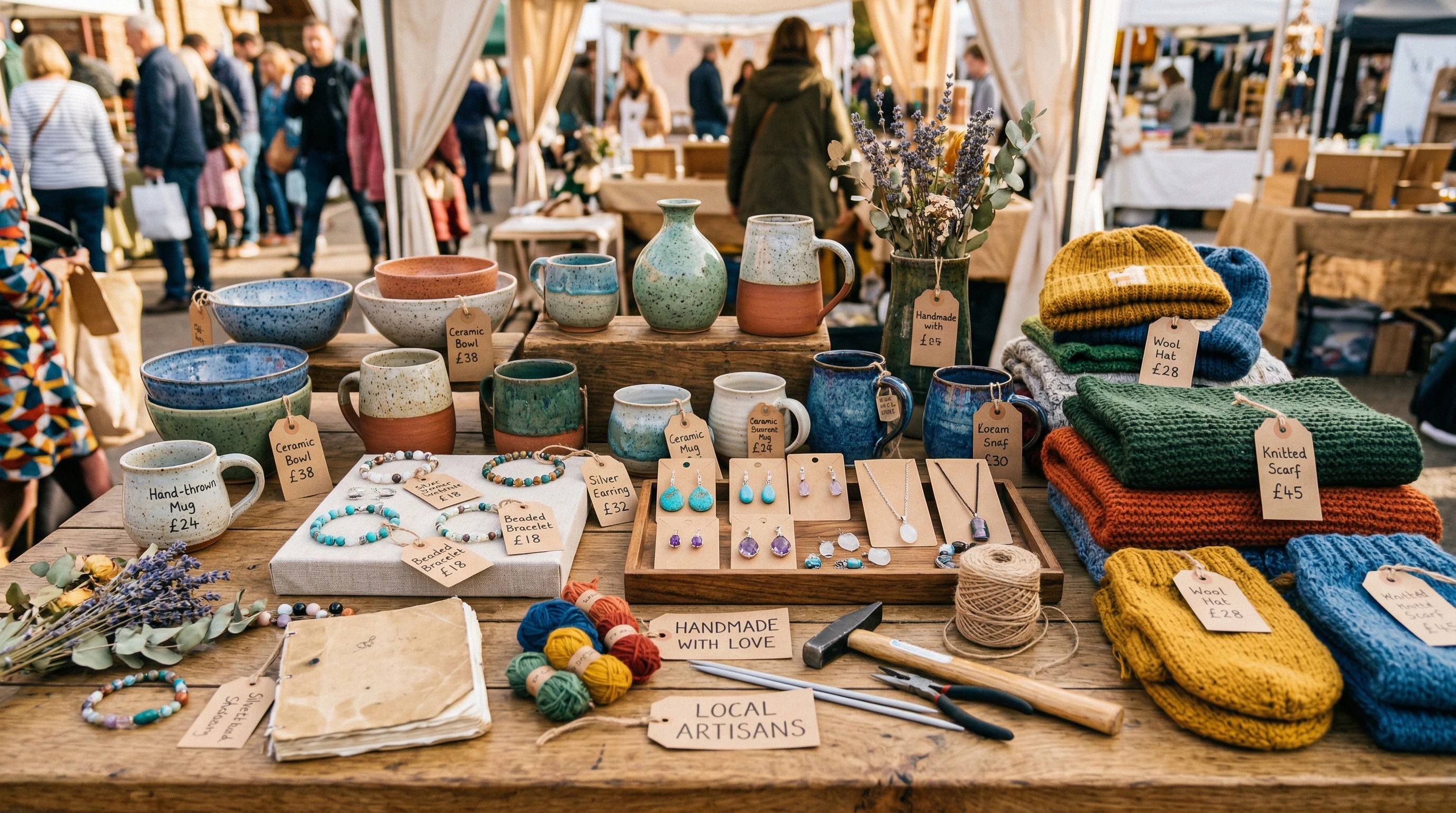
- Local Markets / Fairs: Great for connecting with customers face to face. Booth fees, travel, and setup costs add up, but you get to see reactions in real time and get feedback.
- Instagram and Facebook Shops: Perfect for building a following, showing off your latest items, and handling direct sales. Great photos and catchy posts make a huge impact here.
- Consignment or Wholesale: Stores take a percentage or buy bulk at a lower (wholesale) price. Be sure your wholesale prices still give you a decent profit.
Remember, each platform brings its own audience and expectations. Try out two or three and see where your products resonate best. Calculate all selling expenses when setting your final prices, so you don’t leave yourself short.
Step 6: Build a Discount Pricing Strategy (Without Losing Money)
Discounts and sales pull in new shoppers or help clear out last season’s items. But if you run too many promos or slash your prices, customers might learn to wait for another sale. You don’t want to train buyers to ignore your regular prices or leave yourself in the red.
Tips for Discount Pricing Strategies for Handmade Goods
- Use sales as a special treat, like holidays, your shop’s anniversary, or when pulling back the curtain on a new collection.
- Try bundles, such as “buy two, get one at 15% off,” to encourage bigger checkouts.
- Offer a little deal for email signups, like $5 off the first order, but stay mindful of your actual costs.
- If you give 20% off, double check you’re still earning profit after subtracting all of your real costs.
Transparency is key. When you decide to run a promotion, highlight what makes your sale special but make sure customers know why your work is valuable even at full price.
Step 7: Adjust Prices Over Time
Markets and costs change, so it’s sensible to review your prices every few months or when launching something new. Checking in on your pricing ensures your business stays profitable and competitive.
- Have materials or shipping costs increased? Adjust your prices to reflect those changes.
- Are your skills growing or have you built a strong fanbase? It’s okay to raise prices as your experience and reputation improve.
- If a product isn’t selling, think about tweaking the presentation or telling more of the backstory to help buyers get a sense of the value.
Don’t feel trapped by your first pricing decisions. Stay flexible and revisit your numbers. Regular check-ins keep your handmade business healthy and sustainable, giving you the energy to keep creating.
Common Questions & Troubleshooting
How do I handle people saying my prices are too high?
It’s normal to hear this, especially if people are used to mass market prices. The trick is confidently showing buyers what goes into your work, your time, high quality materials, and the fact that every item is unique. Not every shopper is your ideal buyer, and that’s totally fine.
What if my items aren’t selling?
- Look over your product photos and descriptions for clarity, sometimes a new angle or better lighting makes a difference.
- Try explaining your process and what sets your items apart.
- Make sure your target shoppers are actually seeing your work, sometimes it’s a visibility problem, not just about price.
- Experiment with limited time offers, bundles, or tweak prices in small steps rather than huge shifts.
Should I price lower when starting out?
Many people believe that starting with rock bottom prices will help them break in, but that can backfire. Set prices that reflect your real costs from day one and increase as your brand grows. This builds trust and shows you stand behind the value of your work.
Can I charge more for custom or personalized items?
Absolutely! Personalization or custom requests usually mean more time, consultations, or adjustments, so it’s only fair to raise the price to cover that effort.
Final Tips & Your Next Steps
The way you price your handmade products does more than just pay the bills, it reflects how much you value your own craft and effort. Being confident and clear with your prices gets easier with time. Customers will appreciate the care and skill you bring to your work.
Your Action Plan:
- Write out the cost breakdown for each product you sell, include everything from materials to your hourly wage.
- Stick to a pricing formula that matches your brand for at least a few months, then review results and make tweaks as needed.
- List your products on one or more sales platforms that feel like the right fit for your creations and audience.
- Review your prices every few months to keep things in line with changing costs and to make sure your business stays profitable.
If you have questions about how to price handmade products or want to share your experience, drop a comment below. I’m always excited to connect with fellow makers and help you on your journey to fair, sustainable pricing!