Promoting affiliate products can feel tricky, especially when you really believe in something but also want to avoid coming across as salesy or pushy.
After experimenting with different affiliate marketing strategies and chatting with fellow marketers, I’ve learned that there are better ways to share genuine recommendations that people appreciate. Here, I’m sharing how to promote affiliate products effectively, no pressure tactics or awkward pitches needed.
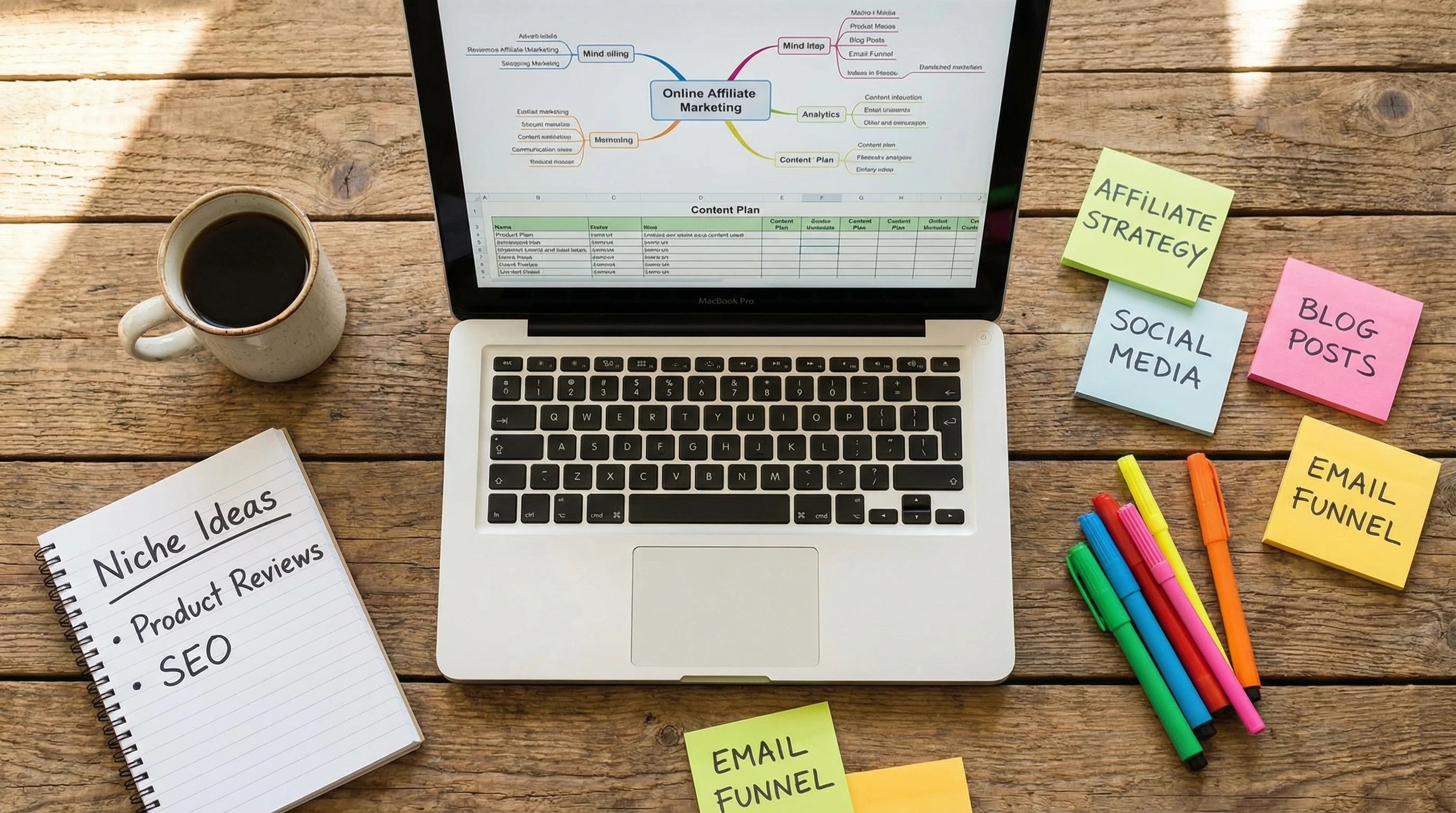
Affiliate Marketing in 2026, Shifting Toward Value Driven Promotion
Affiliate marketing is growing fast, with even more people looking for transparent and real recommendations. Trends for 2026 highlight a move toward community, authenticity, and personalized content. Marketers are focusing on building trust rather than just chasing clicks. So, for anyone aiming to promote affiliate products effectively, leaning heavily on value and honesty makes all the difference these days.
Programs are getting more sophisticated. The best affiliate programs 2026 aren’t just about the commission rates anymore. They offer topnotch resources and support for marketers, plus creative assets to help promotions blend naturally into all sorts of content. Brands partnering with affiliates want long term ambassadors, not just one off promoters. The demand for values driven content also encourages marketers to jump into deeper educational content, podcasts, or community forums where connections grow stronger beyond surface level promotion.
Getting Started with Nonpushy Affiliate Marketing Techniques
When I started out, it was tempting to use every call to action possible, hoping for quick conversions. But the more I learned, the more I realized people tune out anything that feels forced or repetitive. Affiliate marketing without being pushy is possible and honestly gets you better clicks, trust, and even lasting followers.
Here’s a quick rundown of nonpushy affiliate marketing techniques:
- Tell your story: Share real experiences using the product instead of rehearsing sales points. If you’ve tested it, talk about what made a difference for you.
- Offer unbiased comparisons: Stack products you’ve actually tried side by side, and share honest pros and cons, even if some aren’t perfect.
- Focus on education: Instead of hard selling, explain how the product works, who it helps, and what real life problems it solves. Your teaching builds trust and keeps people coming back.
Showing up consistently with value builds your audience’s belief in your recommendations, so there’s no need to push. Also, answering questions openly, whether in comments, DMs, or emails, lays the groundwork for genuine longterm client relationships.
Best Ways to Promote Affiliate Links (Without Being Pushy)
Promoting affiliate products effectively goes hand in hand with being helpful instead of sounding salesy. The best ways to promote affiliate links look a lot like helping out a friend who needs a recommendation. Here are methods I use regularly:
- Contextual placement: Naturally place your affiliate links within indepth content, like detailed blog posts or how to guides. If your article is about “Ways to Sleep Better,” and you mention a pillow that truly improved your sleep, that link feels totally relevant.
- Email roundups: Share honest product roundups in your newsletters. I keep these light, adding a mix of affiliate links and free resources so it feels helpful, not pushy.
- Social proof: Share screenshots or user stories. If you received positive feedback or a DM from someone who loved your recommendation, that’s worth sharing (with their permission, of course).
- Video walkthroughs: Videos are super effective for affiliate marketing without being pushy. Walk people through how you use a product in your daily routine. People love seeing products in action, with real talk, not just polished ads.
- Resource pages: Put together a resource page on your blog with all the tools and products you recommend. It becomes a bookmark for your followers, and you can update it as you stumble upon new favorites.
These strategies work across blogs, video channels, podcasts, and even new platforms like live streaming or interactive webinars. Always keep your reader’s experience top of mind, sprinkling in affiliate links as a service rather than a sales ploy.
Building Trust Before Promoting Affiliate Products
Building trust is huge when you’re leaning into affiliate marketing strategies 2026. One of my favorite ways is to give, give, then ask. Focus on helping your audience with free advice, useful tips, and actionable guides before you recommend a single product. Your followers will notice and appreciate the no pressure approach.
- Answer questions in your niche, even ones that have nothing to do with your affiliate links.
- Show transparency. I always disclose when a link is affiliate and remind people I only share stuff I’d actually pay for myself.
- Be picky. Only recommend products you stand behind. I’ve turned down partnerships plenty of times because something didn’t meet my standards.
Opening up about why you do or don’t recommend certain products makes your audience feel respected. This sincerity encourages more open communication, readers may even ask directly for your thoughts on upcoming launches or favorite tools, further growing the relationship before any actual promotion.
Choosing the Best Affiliate Programs for 2026
I’ve noticed that some programs offer much better support for nonpushy approaches than others. When I pick new partners, here’s what I look for (and what I think makes the best affiliate programs 2026):
- Quality over quantity: I focus on brands that match my audience’s needs and values, even if the payout is smaller.
- Transparent tracking: Look for programs that show all the conversions, clicks, and payouts clearly. This builds trust both for you and your audience.
- Variety of promotional tools: Find programs that offer banners, videos, email swipe copy, and fresh assets for different platforms and seasons. It helps keep your content interesting and makes it easy to avoid sounding repetitive.
- Helpful affiliate managers: Some programs have reps who answer questions and even brainstorm ideas with you. This support can be super helpful when you want to promote affiliate products effectively without sounding like a salesperson.
Take time to check in with other affiliates, too. Anonymous review forums can highlight issues like late payments or back end tracking mistakes. Choosing the right program sets you up for honest, sustainable success based on trust, not hype.
Common Challenges & How to Sell Affiliate Products Without Pressure
We’ve all seen the cringeworthy affiliate tweets or blogs that feel desperate for sales. I ran into a few challenges myself early on, like not knowing where the line was between “sharing” and “selling.” Here’s what helped me steer through those tricky spots:
- Overpromotion: Sharing too many product links back to back turns people off. I space out affiliate recommendations, making sure there’s more value content in between.
- Unclear disclosures: People appreciate honesty, so I’m always upfront when a post contains affiliate links. A simple note does the trick and builds trust.
- Matching products to your audience: Sometimes the product’s not right, even if the commission is tempting. I take time to understand my audience’s pain points, then connect them with solutions that fit.
- Product fatigue: People get tired of the same recommendations all over social media. I mix things up by sharing behind the scenes usage or offering refreshingly honest takes on pros and cons.
Solutions for Nonpushy Promotions
- Storytelling: Instead of “You should buy this,” try, “Here’s what changed for me after using it for a month.” People relate to stories way more than straightup pitches.
- Problem-solving: Answer your audience’s questions and gently point them towards products when it genuinely solves a problem.
- Community involvement: Create polls, let your followers vote on what reviews they want to see next, or gather user tips, they help steer your content and make promotions relevant.
Each of these solutions gives your content a natural, noninvasive feel; readers appreciate that your goal is to be helpful, not just cash in on affiliate sales.
Content Ideas for Nonpushy Affiliate Marketing
Sometimes the hardest part is figuring out what type of content genuinely helps people while earning affiliate commissions. Plenty of options work great for affiliate marketing without being pushy:
- Indepth tutorials: Show step by step how you use a product, weaving affiliate links in as shortcuts for readers who want to try for themselves.
- Comparison posts: Lay out pros and cons of different products honestly, helping people make smarter choices.
- Product alternatives: Suggest several options, including what’s budget friendly or splurgeworthy. You can even link to competitors if you believe they’re a better fit for some situations.
- Case studies: Walk readers through a real scenario or transformation using the affiliate product. Results feel authentic when paired with photos, stats, or beforeafter shots.
- Checklists: Create printable or interactive checklists for a specific use case, including links for readers to get the exact gear or tools you recommend.
- Behindthescenes content: Pull back the curtain by showing readers what goes on in your workspace, favorite toolkits, or even how you test products before sharing them. This type of content not only gives insight but also adds depth and relatability to your affiliate marketing.
- Expert interviews: Bring in voices from industry specialists to add authority to your recommendations and offer fresh perspectives. These conversations encourage engagement and create a collaborative feel around your affiliate partnerships.

Advanced Tips for Affiliate Marketing Strategies 2026
The world of affiliate marketing is always evolving, and strategies that worked last year might need a refresh for 2026. Here are a few more things I picked up that can help sell affiliate products without pressure:
1. Focus on niche authority: Build a reputation by sticking to one main topic. People look for trusted voices, not jackofalltrades. I stick to a handful of topics I really know so my audience trusts my insight.
2. Leverage SEO: Use keywords naturally in articles, reviews, and resource pages, like “best ways to promote affiliate links” or “affiliate marketing strategies 2026.” It helps new readers find your nonpushy advice via Google.
3. Repurpose content: Turn indepth reviews into quick reels on Instagram, or summarize your takeaways in a short email tip. Repurposing keeps your affiliate strategy consistent without repeating the same message everywhere.
4. Experiment with interactive tools: Quizzes or calculators that recommend products based on a person’s answers feel helpful, like a personalized shopping experience.
5. Build relationships with brands: Team up on exclusive deals or early access, then pass those perks onto your followers. It keeps your content fresh and communityfocused.
6. Participate in Q&A Sessions: Host live Q&A or AMAs where followers can ask about your experiences with certain products. This type of open dialogue further cements your authenticity and positions you as an authority, so when you do recommend products, your audience knows your opinion is genuine.
Frequently Asked Questions
How can I make affiliate promotions feel natural in my content?
Focus on helping first. Only share products you’ve tested and love, and fit affiliate mentions into genuinely helpful advice, stories, or walkthroughs. Your aim should be to answer needs, not push sales.
What’s the best way to promote affiliate links on social media without coming off as pushy?
Mix your posts with lifestyle and value content. I share day in the life stories where products fit naturally, plus tips or behind the scenes snapshots. Staying real and conversational goes a long way.
Do I have to disclose every affiliate link?
Yes! Transparency is really important for trust, and it’s required by most advertising rules. A note like “This article contains affiliate links. If you buy through them, I may earn a small commission (at no extra cost to you)” keeps things clear and aboveboard.
Is it better to promote lots of products, or just a few?
I’ve found focusing on fewer, higherquality products leads to higher trust and better engagement. It’s more convincing than sharing every product under the sun and helps you build authority around your chosen topics.
Affiliate Marketing Without Being Pushy
Affiliate marketing works best when it blends expertise, real life experience, and honesty. You don’t have to be pushy to earn good commissions. For most people, affiliate marketing is about sharing solutions, guiding others honestly, and using products alongside your community. The best affiliate programs 2026 are all about healthy partnerships, transparency, and providing value, making it easier than ever to promote affiliate products in a nonpushy way.
If you’re ready to try affiliate marketing without pressure, focus on building trust every step of the way and those commissions are much more likely to follow.






This is a really solid article on affiliate marketing. I like how you emphasize value, transparency, and trust instead of aggressive selling. From what I’ve learned, audiences respond better and make more informed decisions when recommendations feel like genuine advice rather than a push for a sale, and your examples around storytelling, education, and contextual links explain this very well.
I also agree that starting with a small number of quality affiliate programs and genuinely believing in the products makes promotions feel more natural and helps build a sustainable business in the long term. Overall, this article does a great job of showing that affiliate marketing can be effective without being pushy when the focus stays on helping first.
Thank you so much for the thoughtful feedback, I really appreciate you taking the time to share this. I’m glad the emphasis on value, transparency, and trust resonated with you, especially since those elements tend to create stronger, long term relationships with an audience.
You’re absolutely right that recommendations framed as genuine advice lead to better engagement and more informed decisions. Storytelling, education, and contextual links all help keep the focus on helping first, which ultimately benefits both the audience and the business.
I also agree with your point about starting small and promoting products you truly believe in. That approach not only feels more natural but also makes affiliate marketing more sustainable over time.
Thanks again for the kind words and for reinforcing the core message of the article.