If you’re thinking about vintage postcard reselling and happen to be a retired collector, you’re tapping into a hobby that’s both rewarding and often pretty relaxing. Vintage postcard reselling has become a popular side hustle for retirees, letting folks relive a bit of nostalgia while turning unique finds into extra income. It can be pretty fun to hunt for old treasures, learn a little bit of history, and share these artifacts with other collectors around the world. Starting off might feel overwhelming at first, but knowing where to find vintage postcards, how to spot worthwhile flips, and how to use smart eBay strategies for selling postcards can really boost your results and keep it enjoyable.
Why Vintage Postcard Reselling Appeals to Retired Collectors
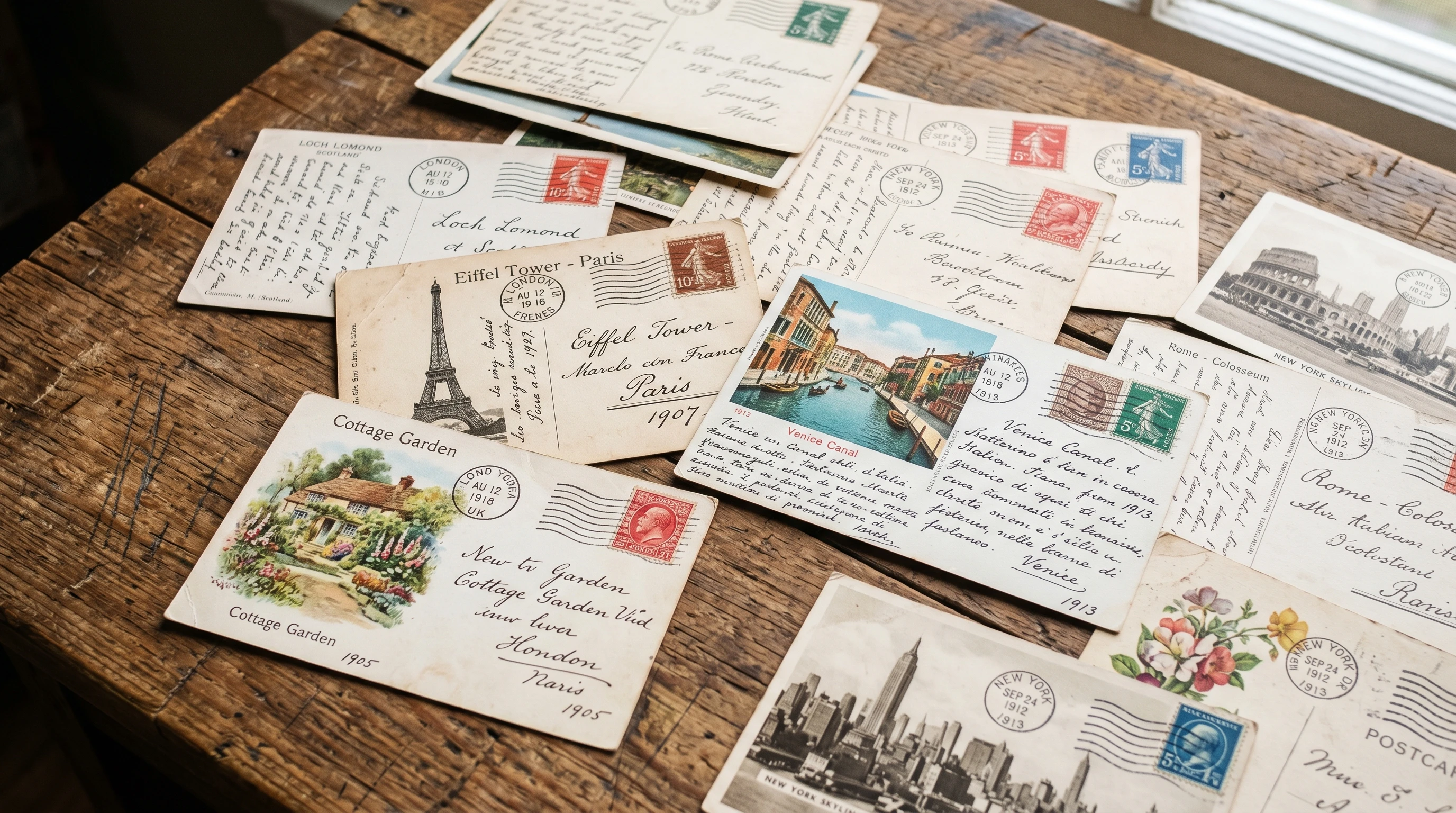
Collecting vintage postcards has this classic charm that just draws people in. For retired collectors, the appeal runs a bit deeper. There’s the thrill of hunting for gems at local markets, the satisfaction of learning the stories behind each postcard, and the chance to make a little profit by flipping your finds. Plus, it’s a manageable and social hobby you can enjoy from the comfort of home, or even during your travels. Listing postcards for resale online can help clear out large collections while making space for new discoveries. It’s really a win-win for anyone who has spent years pursuing this unique hobby.
Besides, the world of postcards covers everything from nostalgic local landmarks and world-famous events to tiny towns long forgotten. Retirees can bring their decades of experience and extra time into researching, listing, and packaging, making each sale feel like a new adventure. Along the way, you might even stumble upon long-lost friends, as old postcards can sometimes reestablish family connections through mail routed decades ago.
How to Sell Vintage Postcards: The Basics
Getting started in vintage postcard reselling might feel a little confusing if you haven’t sold collectibles before. The first step is understanding which postcards are in demand and how to present them to buyers. Condition is a big deal in this field, and so is the uniqueness of the image, postmark, or message. Even common cards can occasionally fetch a higher price if they hit a collector’s niche or show off some rare feature.
Here are some steps that help retired collectors get up and running:
- Sort and Research: Review your collection or new finds. Research any publisher marks, images, or eras that stand out. Resources like collector books or online catalogs can be very helpful.
- Organize for Listing: Keep commons together and pull out anything with old postmarks, rare views, or interesting subjects.
- Set Up Online Accounts: Register on eBay or other best platforms for postcard flipping. Fill out your profile and follow basic seller guidelines.
- Photograph Clearly: Take good pictures in natural light. Highlight both front and back collectors want to see stamps, postmarks, and any unique writing.
- Accurate Descriptions: List the era, publisher, condition, and any story behind the item. Honesty is really important here, so mention any tears or marks so buyers know what they’re getting.
Once set up, consider tinkering with your listings to see what attracts attention. It’s helpful to run small experiments: try a few auctions at different price points, or list cards singly and then in small groups. Over time, you’ll get a sense for which styles, publishers, or themes draw the most interest and learn to identify the cards destined for your ‘hot list’ of sellable inventory. Getting feedback from other collectors in online groups can speed up this learning process. They might point out details or errors you never noticed.
Best Platforms for Postcard Flipping
There are several ways to sell vintage postcards, but some platforms work better for retired collectors looking for a mix of exposure and ease of use. eBay is still the top choice for many, thanks to its massive built-in audience and handy selling tools. Delcampe and HipPostcard are also worth checking out. Each platform has its own quirks, so picking the right one might depend on your personal style and what you’re selling.
- eBay: Still the leading spot for vintage postcard reselling and collectibles in general. It offers auction and buy-it-now options, plus a steady stream of buyers looking exactly for cards like yours.
- HipPostcard: Specifically built for postcard resellers and collectors. It’s user-friendly and attracts a passionate crowd.
- Delcampe: More popular in Europe, but growing with U.S. collectors. Great for international cards or specialty themes.
- Etsy: Good for curated or themed packs, especially if your postcards feature neat graphics or align with popular decor trends.
Most retired collectors I know use a combination of these platforms, tinkering until they find what fits their collection and selling style. Over time, as your inventory shifts, you might decide to move high-value or foreign cards to Delcampe, while keeping scenic U.S. scenes on eBay. You can also join niche marketplaces that occasionally spring up, focusing solely on postcards, which attract a more targeted crowd of buyers and sellers than larger general marketplaces. It’s smart to crosslist your items where allowed, but always stay organized so you don’t accidentally sell the same card twice.
Where to Find Vintage Postcards for Resale
The real fun of vintage postcard reselling starts with the hunt. Some of the best spots to scout for vintage cards aren’t even online. Here’s where I’ve personally tracked down some of my favorite flips, and why these locations are worth a peek:
- Estate Sales and Auctions: These are goldmines for old postcard lots. I’ve found perfectly preserved collections tucked away in boxes more than once.
- Thrift Stores and Flea Markets: Always keep an eye out, you never know when a forgotten album will pop up among the shelves.
- Antique Shops: Many dealers will even let you browse through their bulk boxes for a bargain. Sometimes you can negotiate for multiple cards or buy whole albums.
- Postcard Shows: If these run in your area, they’re a fantastic way to meet other collectors, learn from experts, and find cards you couldn’t locate anywhere else.
- Online Auctions and Classifieds: Sites like eBay and Craigslist have bulk lots, estate collections, and sometimes even single, rare cards. Local Facebook Marketplace groups work well for scoring cards close to home.
The hunt doesn’t stop there; sometimes, asking friends or family can lead to unexpected finds, since many folks have shoeboxes of old family postcards gathering dust in their attic. Public library book sales and historical society fundraisers may also hide stacks of postcards that go unnoticed by the broader public. Don’t forget to scan community bulletin boards or check listings in local newspapers, as sometimes estates are cleared quietly without much online promotion. That extra step can lead to rare cards that most digital shoppers haven’t seen. Checking old guest books or scrapbooks at local yard sales may reveal cards with interesting personal histories attached, which can fetch a strong price with the right buyer.
Common Hurdles for Retired Sellers, And How to Tackle Them
Any new hobby comes with a few bumps in the road. Selling postcards online is different from just collecting, so it’s worth knowing what might slow down your progress. Based on my experience and what I’ve heard from others in the community, here are some hurdles:
- Shipping and Handling: Postcards are fragile. I always use a rigid mailer or sandwich each card between cardboard. Lightweight envelopes are okay for the common ones, but any card worth more than $10 should get a sturdy package and tracking.
- Counterfeits and Reproductions: Some postcards are reprints. Researching publishers and markings helps spot the genuine article. Online guides and forums are super useful for identifying fakes.
- Pricing Challenges: Figuring out how to price your cards fairly takes time. I look for similar sold listings on eBay, then factor in rarity, condition, and subject. If in doubt, starting auctions low (but not too low) often brings out interested bidders.
- Managing Large Collections: Retired collectors sometimes have thousands of cards. Breaking them into categories and selling by theme or region helps things feel less overwhelming.
- Time Investment: Listing, packing, and shipping can be time-consuming. Sticking to a routine, maybe setting aside a morning once a week, can keep it from turning into a chore.
These may sound like a lot at first, but once your process is set, it gets easier, and it’s pretty satisfying to see old postcards find a new home. Remember, digital spreadsheets like Excel or Google Sheets can help track inventory and sales, so you never lose track of a valuable card or forget which platform it was listed on. If packaging seems tedious, prepping batches of mailers in advance or designating a workspace can make things flow more smoothly.
Top Tips for Postcard Collectors Looking to Flip
Flipping postcards successfully takes a little practice and an eye for what’s valuable. Here are a few of my go-to tips that make reselling smoother and more fun:
- Condition Matters: Cards in mint or near-mint shape will nearly always bring the best price. Small tears or stains lower the value, but don’t rule them out for rare subjects or themes.
- Go Beyond Obvious Subjects: Holiday and scenic views are everywhere. Cards featuring real photos, obscure locations, or odd subjects (such as early machinery, sports teams, or street scenes) can be surprisingly popular among niche collectors.
- Research Trends: I check recently sold eBay listings often to see what’s hot. Themes come and go, so a little research pays off.
- Build Buyer Trust: Fast shipping, careful packing, and accurate descriptions build strong ratings and repeat buyers. Good feedback is key if you want to grow on platforms like eBay or HipPostcard.
- Specialize if You Can: Having a specialty (like a specific era, city, or card type) can help attract dedicated buyers and even make you a go-to seller in that niche.
- Stay Flexible: Sometimes it pays to offer bulk deals or discounts to clear out overstocked categories. It can help you move cards quickly and keep your shop looking fresh.
Don’t shy away from low-value cards, consider grouping them into themed packs for teachers, scrapbookers, or crafters. Unique or rare postmarks (even on common views) may appeal to postal history buffs. Over time, you’ll build a mental ‘price chart’ from selling similar cards, though keep a written record to avoid mistakes. Finally, photographing with a plain background and adding a ruler for scale can win points with detail-oriented buyers who need measurements for fitting cards into albums or displays.
eBay Strategies for Selling Postcards Successfully
eBay has its own set of quirks, and learning a few tricks helps you stand out. Here’s how I approach postcard reselling flips on eBay for the best results:
- Use the Best Keywords: Always put the location, year (if known), publisher or photo studio, and subject in the title. People search for very specific things.
- Take Sharp Photos: Scan or photograph the front and back, showing any details (stamps, postmarks, signatures).
- Set Realistic Prices: I check recent listings, then price competitively but fairly. Starting low can encourage bids.
- Offer Discounts on Bulk Buys: Many collectors want to fill a theme or region, so I often offer deals if they buy three or more cards.
- Be Responsive: Quickly answering buyer questions about postmark details or card thickness gives you an edge over slower sellers.
- Share Your Story: Retired collectors can mention their history or interest in postcards. Buyers feel a connection when there’s a personal touch.
One often-overlooked tactic: time your listings to end during peak buying hours. For postcards, early evenings during weekdays or Sunday afternoons tend to draw the most attention, as hobbyists have time to browse. You can schedule listings in advance to line up perfectly. Be sure to answer buyer queries promptly. Customer service can set a casual seller apart from a trusted vendor.
Advice for Collectors Expanding into Flipping
Making the move from collecting for pleasure to actually flipping can take a bit of a mindset switch-up. I’ve found it helps to ask yourself what your goals are: making space, earning extra cash, or focusing more seriously on one part of your collection. For retired collectors, the flexibility and social nature of vintage postcard reselling open doors to local groups and online forums where you can share tips, stories, and advice.
- Network: Don’t be shy about reaching out to fellow collectors or resellers online. Facebook groups, postcard clubs, and collector forums are friendly places to swap advice.
- Document Your Own Finds: Keeping a notebook of what you paid, where you found it, and what it sold for can be pretty interesting to look back on.
- Enjoy the Process: Sometimes a flip doesn’t go as planned, but the story or history behind certain postcards makes the process worthwhile.
- Stay Informed: Subscribe to newsletters or magazines on postal history, and take part in workshops if possible. Continuous learning keeps the adventure fresh.
As you shift into selling, don’t be afraid to gift or trade with friends or relatives showing interest. A kind gesture can both lighten your load and spark a lifelong collecting interest in someone new. Plus, there’s always room to reinvent your collecting area at home, set up display boards, or create small exhibition nooks to showcase current favorites or new acquisitions waiting to be listed.
Frequently Asked Questions
Some of the most common questions I hear from collectors and newcomers to postcard flipping:
Question: What are the most valuable vintage postcards?
Answer: Real photo postcards (RPPCs), cards with unique images (such as disasters, historic events, or early city scenes), or rare publisher series tend to sell well. Postcards with scarce postmarks and stamps can also bring in collectors.
Question: How can I tell if a postcard is vintage?
Answer: Check for divided backs (introduced around 1907), postage rates (which changed at specific times), and look up the publisher or printer’s name. There are plenty of guides online that help date postcards based on these features.
Question: How should I store and handle postcards to protect them?
Answer: I use archival sleeves and store my cards upright, out of direct sunlight. High humidity can cause damage, so a cool, dry spot is best. Always handle by the edges to avoid fingerprints or smudges.
Question: Are there legal issues with selling historic postcards?
Answer: Not usually. As long as the card isn’t a recent reproduction of a copyrighted image, you’re in good shape. Some cards featuring military or government materials might have extra restrictions, but this is pretty rare in the world of vintage postcard reselling.
Real-World Examples: Success Stories from Retired Postcard Flippers
I’ve heard some awesome stories in postcard forums. One retiree found a rare RPPC from early Miami, picked it up at a yard sale for $1, and flipped it on eBay for over $100. Another sold a set of novelty cards featuring mechanical parts from the 1920s, found tucked inside an old sewing basket, to a museum that’d been searching for the same images for years. Yet another hobbyist scored a full album of small-town views at a church bazaar, kept a few and sold the rest on HipPostcard—netting several hundred dollars over a few weekends. Experiences like this make buying and selling postcards feel like a mix of hobby and treasure hunt, where the rewards go beyond money.
And sometimes, the best success isn’t about profit at all. An old postcard can revive a cherished memory, inspire a family history project, or travel the globe as a gift. The neatest part? There’s never a final page to the story, each new card opens a path to the past and, perhaps, your next adventure.
Collecting Vintage Postcards for Fun and Profit
Reselling vintage postcards isn’t about letting go of collecting; it’s about making room for new stories and maybe making back a bit of what you’ve spent over the years. For retired hobbyists, vintage postcard reselling connects passion with profit and turns a beloved pursuit into a smart, low-pressure side hustle. It gives me a reason to keep hunting, learning, and chatting with other folks who appreciate these little windows into the past.
Each flip, no matter how small, keeps the hobby exciting, and there’s always the chance to land that next hidden gem. Whether you’re boxing up your first batch for eBay or passing along a favorite view to a new friend, vintage postcard reselling is a hobby that pays off in memories and, if you’re lucky, a little cash in your pocket.
This article was created with AI assistance and reviewed by a human editor.





It is so much easier nowadays to be a collector of anything, as you can get anything you need online. When I was younger and collected stamps, I had to rely on close friends and family to make swaps. Now you have the world at your fingertips.
Vintage postcards is something I haven’t heard of, but it looks fascinating. I see there is even a site built especially for this.
I was just wondering for interest, do these collectors prefer blank postcards, or used ones (with writing on it)?
That’s such a good point, collecting really has been transformed by the internet. Going from relying on swaps with friends and family to having access to sellers and collectors worldwide is a huge shift, and it’s opened the hobby up to so many more people.
As for your question, it really varies, but many vintage postcard collectors prefer ones that have been used, meaning they’ve been postmarked, stamped, and have a message written on the back. The postmark can help date the card and pinpoint where it traveled from, and the handwritten messages often add a personal, historical charm that tells a little story of its own. That said, unused (blank) postcards tend to be in better condition and are often valued for their print quality or artwork, especially with older or rarer designs. So collectors are often split between those chasing history and story (used cards) and those chasing pristine visual condition (unused cards). Many end up collecting both!