If you sell handmade crafts or simply love creating beautiful DIY projects, nailing your photos is a big deal. Most shoppers online can’t touch or see your work up close, so your pics have to do most of the work. Good craft photography tips can seriously change the way people see (and buy!) your handmade creations. I’m getting into the details of photographing crafts for sellers, makers, or anyone who wants to up their craft photo game, no expensive studio required.
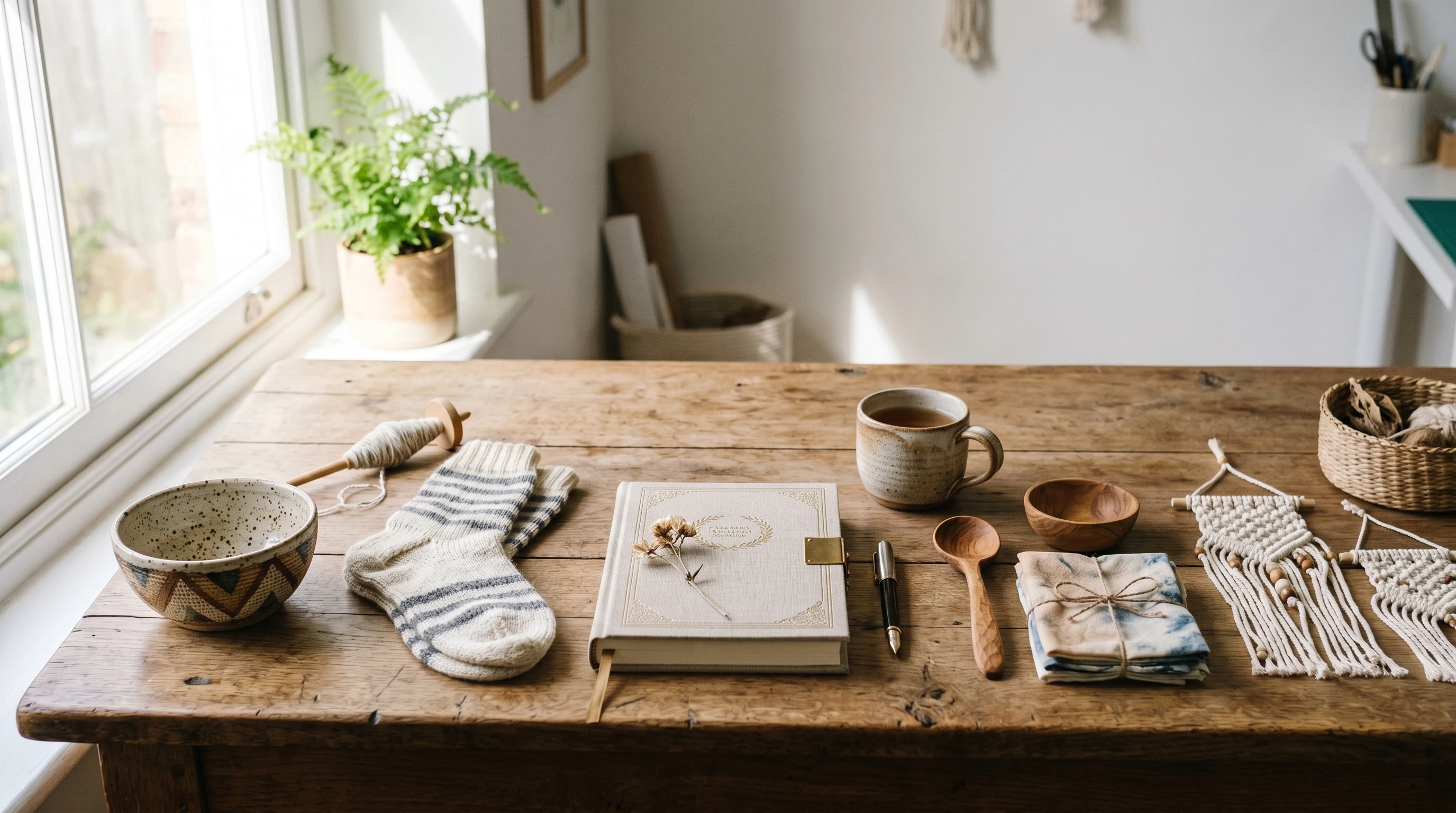
Gear and Tools for Easy, Flattering Craft Photos
Starting out, you don’t need a fancy setup or pro camera for sharp, attractive craft shots. Smartphones these days are actually pretty powerful, but knowing your gear helps make the process smoother.
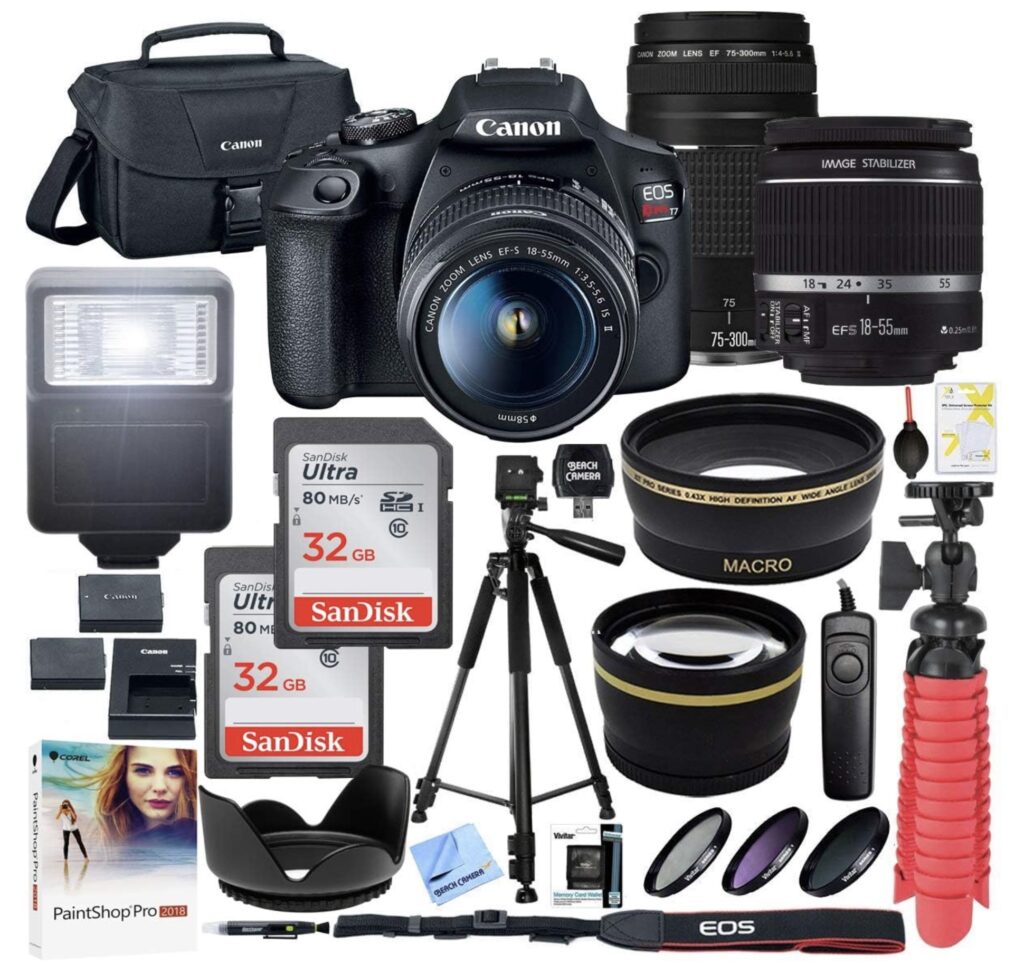
Basic setups will make a real difference in the look and quality, even if you’re working on a slim budget. Here are a few items I rely on for my own product photos:
- Camera or Smartphone: Newer phone cameras work brilliantly, but entry-level mirrorless or DSLR cameras give you more control over focus and depth.
- Tripod: Avoids blur from shaky hands, keeps shots consistent, and is great for batch photo sessions.
- Reflectors or White Foam Board: Bounces natural light into shadows and adds that even, soft look you see in magazine shots.
- Neutral Background: Poster board, tabletop wood, or plain fabric. Choose whatever lets your craft stand out and keeps the scene clean.
- Lighting: Big windows are my go-to friends, but simple LED panels or a daylight bulb lamp are excellent when the sun is being stubborn.
First Steps: Setting Up Your Craft Photo Space
Before you start snapping, take a minute to plan your setup. You’ll want a spot with good light (preferably near a window), space to lay out your crafts, and backdrops or props ready to go. Consistency makes editing smoother later and also helps your shop or Insta grid look put together.
- Choose a Light Source: Northfacing windows are super helpful for all-day, soft, natural light. If you go with artificial lighting, stick with daylight (5000 K or 6500 K) bulbs for accurate color.
- Backgrounds: Soft colors or light wood work great for delicate jewelry or soap, while bold crafts (like punchy yarn or polymer clay) pop best on neutral backgrounds.
- Tidy Up: Clean lint or dust, and double-check for smudges or stray threads. These tiny details really jump out once you crop or zoom in.
How to Photograph Handmade Crafts: Basics and Beyond
Craft showcase photography techniques don’t stop at pointing and clicking. Angles, composition, and focus shape the story you’re telling about your craft.
- EyeLevel Shots: Make the product relatable and realistic for buyers.
- 45-degree angles: These give a sense of depth and are perfect for 3D crafts, pottery, or felted items.
- Close-ups: Show off texture and little details, especially with jewelry, stitching, or hand-painting.
- Styling: Props help tell the story, but don’t drown your item in distractions. A sprig of greenery or the tools you used are often enough.
- Show Scale: Add a familiar item (like a coin, hand, or ruler) in one photo so buyers grasp the real-life size of your piece.
Best Camera Settings for Crafts
Even if you’re new to manual controls, learning a few settings can make your product images crisp and balanced.
- Aperture (f-stop): For sharp shots where most of the product is in focus, go for f/4 to f/8. Try not to use the lowest f-number, though, for artsy blurred backgrounds; f/2.8 can look cool.
- ISO: Lower is better (ISO 100–400) to dodge grain. When you shoot with daylight, this usually works best.
- Shutter Speed: On a tripod, slower is fine (1/60 or lower). If handheld, keep it at 1/100 or faster to avoid motion blur.
- White Balance: Match your lighting! Set it to “daylight” or “custom” if your photos look too blue or too yellow. That way, your purples and reds will be accurate.
Craft Photography Lighting Tips for Handmade Sellers
Light can totally make or break your photos. Lighting is the magic ingredient for getting clear, pro-looking shots, no matter the camera.
- Use Diffused Light: Direct sun can create harsh shadows. Hang a sheer curtain or tape up parchment paper for dreamy, soft effects.
- Avoid Mixed Light: Stick to one type (all sunlight or all LED, not both) for colors that look real in your shop.
- Reflect Shadows: Aim a white foam board or reflector at the darkest side to even things out without fancy lights.
- Golden Hour: Early morning or afternoon adds warmth and natural glow, especially nice for woodwork or earth-toned crafts.
Editing and PostProcessing: Quick Wins
You don’t have to be an editing wizard to give your craft photos a clean polish before uploading to Etsy or Instagram.
- Cropping and Straightening: A tilted photo or too much empty space takes focus away. Align and crop for a neat, pro look.
- Adjust Brightness & Contrast: Most phone editing apps are handy, just boost clarity and make whites look fresh, not muddy.
- Color Correction: Fix any weird tints so buyers aren’t surprised when your sky blue candle arrives and looks teal.
- Remove Distractions: Use healing tools to erase dust, lint, or chipped surfaces and get that “clean table” vibe in seconds.
Craft Photography Hashtags for Instagram Success
If you want your craft shots to get noticed, the right hashtags help get your photos in front of folks who care. Here are some I like using to increase reach and attract buyers or fellow makers:
- #craftphotography
- #handmadephotography
- #etsyseller
- #madebyme
- #supporthandmade
- #craftsposure
- #handmadewithlove
- #diyproducts
- #makersgonnamake
- #craftersofinstagram
Mix in hashtags related to your specific craft (like #crochetlove or #resinjewelry) and tag locations or market events for local reach. This helps connect your crafts with buyers who want what you offer.
Common Problems (And How to Fix Them!)
Even with planning, issues pop up. These bumps in the road are super normal. I’ve run into all of them at some point, but they’re usually easy to fix:
- Yellow Photos: Try shooting near a window and turning off other lights. If it’s still too warm, cool down the temp in your editor.
- Blurred Images: Use a faster shutter speed if you’re holding the camera, or set up a tripod for hands-free sharpness.
- Distracting Shadows: Place a reflector or a piece of cardboard opposite your light to fill in deeper shadows.
- Busy Backgrounds: Go light on props and use smooth, neutral boards behind your products for a cleaner look.
Photography Tips for Etsy Sellers Worth Checking Out
- Batch Your Photos: Prep everything and shoot multiple items in a single session to keep lighting and backgrounds well-matched.
- Show Your Craft In Use: If you can, snap action shots: a candle glowing, a bowl full of fruit, or a person wearing your earrings (with their permission!).
- Name Your Files: Use descriptive names for photo files. This keeps things organized and gives your listings an SEO boost.
FAQs on Craft Photography Tips
How do I make my handmade crafts pop in photos?
Use even, natural light; set your craft against a simple background, and focus tightly on the textures or unique features. Props and extra context help, but avoid crowding your frame.
What’s the biggest mistake beginners make?
Shooting in a dark room or with mixed lighting (window plus lamp) can mess with colors and sharpness. Stick with one good light source and always clean your lens. It sounds simple, but it’s easy to forget!
How many photos do I need for an Etsy listing?
Aim for 5 to 8 photos. Include one main product shot, some angled or detail pics, one to show scale, and an in-use photo if possible. The more you show, the more confident buyers feel.
Should I watermark my craft photos?
Some sellers watermark to prevent image theft, but logos can distract. Consider uploading lower-res versions for previews and sharing high-res files only after purchase.
Getting Inspired: Examples and Real-World Ideas
- Soap and Skincare: Use sprigs of lavender or reusable glass jars as props. Show soaps on a soft towel for a “spa” vibe.
- Jewelry: Snap flatlays with a reflector for sparkle, and add a closeup to highlight metalwork details.
- Crochet or Fiber Art: Fold or roll your pieces and place them on baskets or unfinished wood surfaces for a cozy look.
- Candles and Ceramics: Photograph lit candles for ambiance, or ceramics holding something pretty to give context.
Checking out top sellers on Etsy or browsing #craftphotography on Instagram is a great way to spot trends and fine-tune your own style. Studying others is always helpful for tracking down new ideas and inspiration.
Getting intentional with your craft photos can be the difference between someone scrolling past your listing and earning a sale. No matter your budget or space, some smart tweaks and a handful of practical tricks can take your handmade photo game up a notch. Whether you’re showing off at a market, building your brand on Instagram, or uploading to Etsy, these tips will get you noticed and help customers appreciate all the time and love you’ve put into your craft.
This article was created with AI assistance and reviewed by a human editor.






Excellent advice for handmade product photography. Clear, bright images can instantly make products look more professional and appealing to customers. I think investing time in good photos is one of the smartest ways to increase online sales. What camera or phone settings do you recommend for beginners who want sharper product photos?
Great question, and you’re absolutely right that sharp, clean photos do a lot of the selling for you.
For beginners, the goal isn’t fancy gear, it’s control and consistency. Here are simple, practical settings that make a big difference whether you’re using a camera or a phone:
If you’re using a camera (DSLR or mirrorless):
Aperture (f stop): Use f/5.6 to f/11
Keeps most of the product in focus (important for sharpness)ISO: Keep it low (ISO 100–200)
Reduces grain and keeps images cleanShutter speed: Adjust based on light, but use a tripod so you can go slower without blurFocus mode: Use single-point autofocus or manual focus for precisionWhite balance: Set it manually (or use daylight) to keep colors accurate
If you’re using a phone:
Tap to focus on the product (don’t rely on auto)Lower exposure slightly (drag down after tapping focus) to avoid blown-out highlightsUse portrait mode carefully, it can help, but sometimes blurs edges unnaturallyIf available, use a “Pro” or “Manual” mode:ISO as low as possibleSlightly faster shutter if handheldTurn on grid lines to keep composition straight
Universal tips (these matter more than settings):
Use natural light (near a window, indirect sunlight)Avoid mixing light sources (keeps colors consistent)Use a tripod or stable surface for maximum sharpnessClean your lens (seriously, this gets overlooked a lot)
If you want, I can suggest a simple beginner setup (lighting + background) that makes even phone photos look studio quality.