If you’re looking for a flexible way to earn extra cash and you love drones, licensing your stock drone footage is a pretty practical side hustle, especially for seniors. I’ve spent years experimenting with different ways on how to make money with drone videos, and I noticed that selling aerial footage to stock platforms fits nicely with retirement schedules and offers a creative outlet.
What is a Senior Drone Photography Stock Video Licensing Side Hustle?
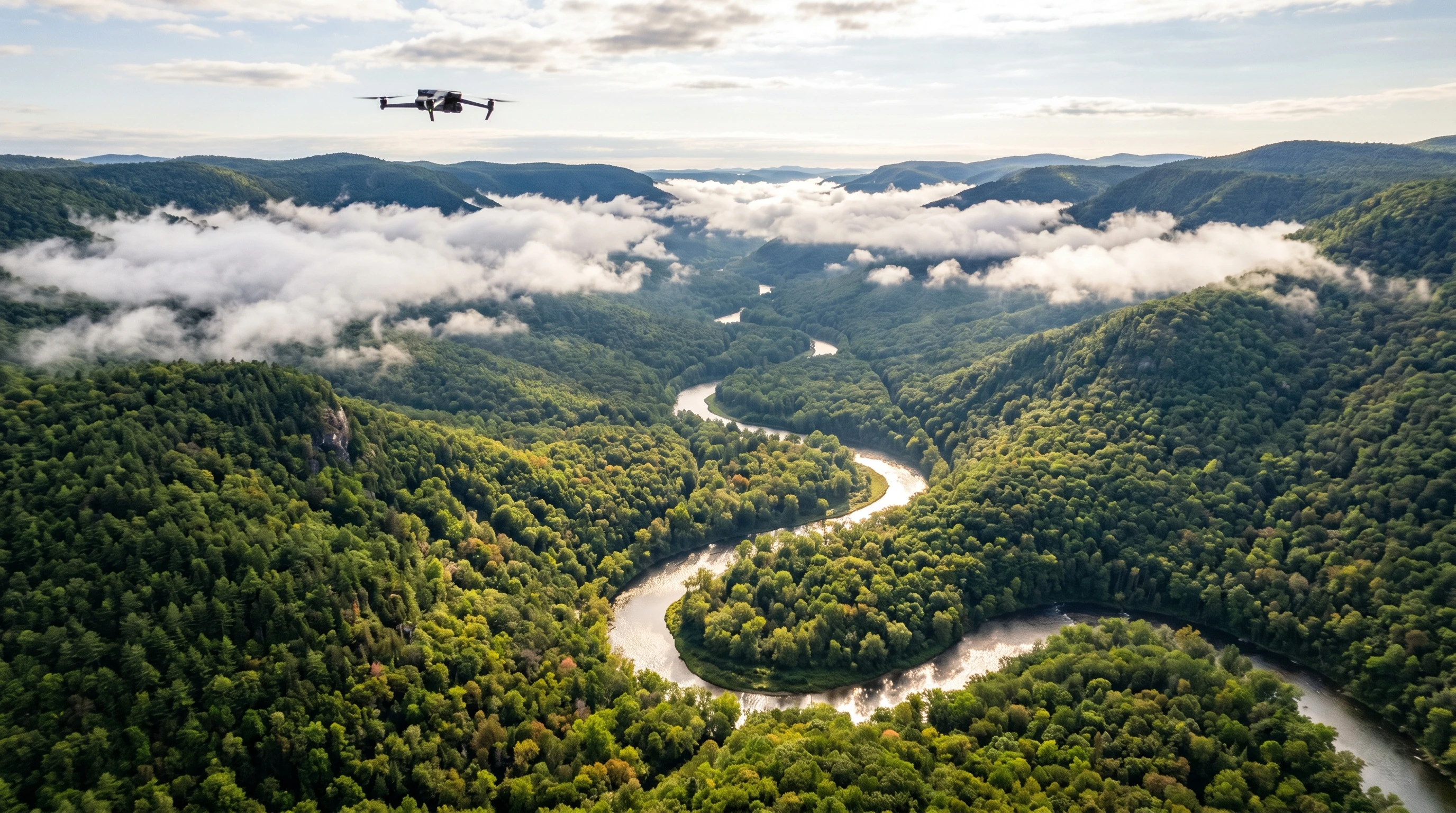
At its core, this side hustle is about using your drone to capture high-quality video of landscapes, cities, parks, or interesting events, then uploading those clips to stock footage websites. Each time someone downloads your footage for their marketing, documentary, or YouTube project, you earn passive income. This fits really well for seniors because once you upload a video, it can keep generating money for years.
Drone footage is in demand right now, with plenty of creators, agencies, and brands looking for unique aerial shots. Creative hobbyists and retirees can take advantage of this demand without taking on too much risk or overhead.
Why It’s a Good Fit for Seniors
Senior drone videography side hustles work great because there’s no need to work long hours or deal with physical stress. Most of the setup happens at home or in relaxed outdoor locations, and you can work at your own pace. The technical side is approachable, especially with today’s drones making high-quality shooting much simpler. You also get the freedom to decide what and when you shoot. Many seniors enjoy spending quiet mornings hiking or visiting new sites, which offer perfect settings for shooting stock drone footage. Plus, uploading to stock sites is a task you can tackle on a rainy day at home.
One underrated perk is the social aspect. Seniors often get a kick out of meeting other hobbyists at local parks or community drone events, creating a supportive environment where you can swap tips or team up for bigger projects. Several local clubs and online groups are tailored to older drone pilots, so it’s straightforward to make new connections as you build your skills and workflow.
Getting Started: Gear and Skills
Before launching into sales, you need the right gear and a basic workflow. Here are the basics to set yourself up:
- Drone: Invest in one of the best drones for video stock content. Look for a drone with a 4K camera, good stabilization (gimbal), and reliable battery life. Models like the DJI Mini 4 Pro or Air 3 are lightweight and user-friendly.
- Smartphone or Tablet: Used for operation and previewing footage.
- ND Filters: These help control exposure on sunny days, leading to smoother, cinematic footage.
- MicroSD Cards: Fast, high-capacity cards mean you won’t run out of space in the middle of a shoot.
- Editing Software: Simple programs like DaVinci Resolve or iMovie work well for drone video editing for stock uploads.
Learning the basic features of your drone, alongside tweaks like exposure lock and gimbal tilt, makes a big difference in the final quality. Take some practice flights in open areas, a local park, or your backyard is fine, to get comfortable. Seniors who follow safety practices and double-check their setup before each flight find the experience stress-free and enjoyable. Getting used to manageable flying distances and battery monitoring promotes confidence and ensures your sessions go smoothly, even for those new to remote flying.
How to Sell Drone Videos: Platforms and Setup
There are several major stock footage sites where you can sell drone videos. Among the most popular are Shutterstock, Adobe Stock, Pond5, and Artgrid. These sites reach video editors and marketers worldwide who regularly search for the best stock drone footage for their work. There’s also a growing demand for content tailored to regional marketing and eco-friendly themes, which provides more unique niches to fill.
Here’s the basic process:
- Create an account on your chosen stock footage sites.
- Upload your videos: Add clear, specific titles and tags so people searching for “forest aerial view” or “city skyline at sunrise” can easily find your footage.
- Agree to licensing terms: Most sites offer royalty-free licenses, which means you retain copyright, but buyers pay for usage rights.
- Earn money per download: Each time someone downloads your video, the platform pays you a percentage, typically 30%-50% of the sale price.
The workflow may sound a bit complex at first, but once you get the hang of creating, tagging, and uploading, the process becomes routine. Some sites let you batch-upload or even automate many steps, making things much smoother for seniors who want to focus on the creative parts without getting bogged down by technical chores.
Senior Drone Photography Tips for Stock Licensing
Quality always wins with stock footage. Here’s what I’ve learned from years of selling online:
- Keep footage steady: Use the drone’s built-in stabilization features and fly in low wind. Shaky clips won’t sell.
- Capture popular topics: Cities, landmarks, coastlines, and nature parks are always in demand. Even simple rural scenes with changing seasons can attract buyers.
- Shoot at golden hour: Early morning or sunset shots almost always look better, thanks to the softer, warmer lighting.
- Mind the sun: Avoid shooting with the sun directly in the lens to reduce glare and odd color effects.
- Keep it clean and copyright safe: Avoid brand logos, people’s faces, and private property unless you have releases. Stock platforms are strict about this.
Once you’ve filled a memory card or two, use batch processing in your video editor to cut, color grade, and export files in one go. High-quality editing really helps your clips stand out and may get you more downloads over time. Don’t hesitate to check out footage featured by stock sites to get a sense of what’s trending and to find ways to make your clips more eye-catching.
Drone Video Editing for Stock
Video editing can sound tricky if you haven’t done it before, but don’t worry; the basics are easy to pick up. Here are my go-to steps:
- Trim away takeoffs, landings, and shakes at the start and end of clips.
- Adjust brightness, contrast, and saturation to make everything look sharp and vibrant.
- Stabilize footage if needed (many drones already do a great job).
- Export in recommended formats. Most platforms accept MP4 at 4K resolution and 29.97 fps.
Learning a few keyboard shortcuts in your editing software can make batch exporting and color correction go a lot faster. There are plenty of YouTube tutorials that walk you through this step by step, so it’s worth checking them out if you’re just getting started. As you build your editing skills, you’ll find it more fun to experiment with different grading styles or even try advanced effects to help your clips pop compared to others on the market.
Licensing and Legal Basics for Seniors
Getting your footage accepted by stock sites means following a few basic rules, which are super important so you don’t waste time shooting unusable clips. Here are some key points:
- Register your drone if needed: Most countries, including the US and Canada, require drones to be registered before commercial flights.
- Obey airspace laws: Avoid flying near airports, government buildings, sports facilities, or crowds. Popular drone apps can show legal flight zones.
- Remove or blur identifying info: Personal data, license plates, or business logos in your footage means stock platforms might reject your clips.
- Document shoot locations: Keep a log of shoot dates and locations to help if a platform asks for proof of permission.
- Review changing local and federal drone guidelines regularly: Drone laws are updated every year. Checking aviation authority websites or popular drone news hubs will help ensure you always remain within the law.
Careful research helps buyers make informed decisions and builds trust with both the stock platform and potential buyers. Most of the time, these rules are easy to follow once you know what to look for. If you travel for drone shoots, take a few minutes each trip to double-check requirements for the area you’ll be flying in.
2026 Drone Photography Trends and What Sells Now
Stock footage buyers are looking for what’s on trend, and drone footage is no different. Here’s what I see happening with drone footage trends 2026 and the coming years:
- Slow, cinematic movements: Gentle pans, orbits, and tracking shots are more popular than fast spins or jerky flight patterns.
- Environmental and eco-friendly themes: Solar farms, electric vehicles, and clean nature scenes are getting more downloads.
- Unique local perspectives: Everyday parks, towns, and communities seen from above. Buyers are moving beyond big city skylines.
- Vertical (portrait) footage: More buyers want vertical clips for TikTok, Instagram Reels, and other short-form platforms.
- Weather and seasonal transitions: Fog, snow, autumn leaves, and city lights coming on at dusk are all in demand.
Keeping up with 2026 drone photography trends means checking which footage is being featured on popular stock sites. Following YouTubers and drone communities can give you even more ideas about what’s selling and what styles are hot. Adding variety by shooting in all four seasons, across different weather conditions, and in less-represented areas of your region will help you build a collection that stands out. Buyers appreciate fresh perspectives that bring new stories to common locations. Try mixing up your altitude, angles, and flight path variety for extra impact.
RealWorld Workflow: From Flight to Paycheck
Here’s a quick rundown of my typical routine. Once I choose a shoot location and check the weather, I plan 3 to 5 shots I want to capture (for example, a sweeping river shot, a smooth panorama, and a straight down view). Then I:
- Charge my drone and phone or tablet fully.
- Preprogram simple shots using the drone’s built-in features to ensure repeatable results.
- Record each clip for 20 to 30 seconds, aiming for a steady, even speed.
- Back up footage immediately, label folders, and jot down quick notes about what I shot and where.
- Edit and export two versions per clip: one long, one short, for more variety on stock sites.
- Batch upload to 2 or 3 platforms, optimizing titles and keywords to reach more buyers.
Your first sales may take a few weeks or months, but as your portfolio grows, so does your potential for recurring income. Many seniors in drone forums mention earning $50–$300 per month once they hit 50 to 100 decent clips online; sometimes more for trending or rare footage. Consider keeping a spreadsheet to track your top-selling clips, as knowing your own best sellers will help guide future shoots and increase your earnings.
Best Drones for Video Stock Footage
Since buyers demand crisp, clear footage that’s ready to use, gear really matters. Here are a few drones worth considering if you want to produce the best stock drone footage with ease:
- DJI Mini 4 Pro: Lightweight, easy to carry, and legal in many places without special permits. Still shoots 4K video and has good stabilization.
- DJI Air 3: Offers obstacle avoidance, a longer flight time, and a better camera with an adjustable aperture for trickier lighting.
- Autel Robotics EVO Nano+: Compact with a 50MP sensor, great for travel, and still meets most stock site requirements.
- DJI Mavic 3 Classic: If you’re willing to invest a little more, this model is ideal for next-level cool footage, thanks to its larger sensor and more advanced controls.
Any drone capable of stable 4K footage will work, but adding features like obstacle avoidance and a longer battery life makes flying much more enjoyable and less stressful. Test out new models at a local retailer or attend drone meetups. Many hobbyists will let you try different drones before you buy. Consider your hand strength, eyesight, and technical comfort when selecting a controller or screen, as some models have larger buttons or brighter screens that suit seniors better.
Frequently Asked Questions
Q: Is it easy for seniors to learn how to make money with drone videos?
A: Absolutely. Once you get through the basics of drone flying and simple video editing, uploading and managing footage on stock sites is straightforward. There are plenty of online tutorials and community forums that can help if you ever get stuck. Taking your time and practicing with shorter, simpler clips will make the learning curve more manageable, and the process will soon feel like second nature.
Q: How much money can I earn as a senior drone photographer?
A: Earnings can be a bit unpredictable at first, but many seniors report earning enough for hobbies, travel, or household treats with consistent uploads. Some rare or trending clips can earn $100 or more each. Tracking your monthly downloads and experimenting with new locations can help maximize your income potential each season.
Q: What are the most common hurdles for seniors starting this side hustle?
A: The main challenges are learning new software, dealing with changing airspace regulations, and picking the right drone for comfort and reliability. Taking things one step at a time makes it doable for most people. Joining a local class or signing up for beginner sessions helps overcome tech anxiety, turning initial challenges into stepping stones.
Q: What kind of drone videos should I focus on for good sales?
A: Think about what video editors need: smooth, scenic clips without people or branding. Local landmarks, nature, seasonal events, and city flyovers all do well, especially if they fit with 2026 drone photography trends. Clips with subtle movement, engaging light transitions, or unique local features tend to sell repeatedly.
Wrapping Up: Why This Side Hustle Works
Stock drone video licensing can be a rewarding side hustle for seniors who enjoy creativity, learning new skills, and flexibility in their day. It’s perfect if you like the outdoors and want to add a stream of passive income. With demand growing, a small investment in gear, time, and creativity can pay off for years. Trying out your first few stock uploads is worth it for the fun and the extra cash. Even if you start slowly, you’ll find each month brings fresh ideas, and as your catalog grows, so do your opportunities for passive income.
You can find more tips and support in drone hobbyist groups, online forums, and the blog sections of sites like Pond5 and Shutterstock if you’re ready to try this as your next side gig.
This article was created with AI assistance and reviewed by a human editor.





This was such an interesting read because it highlights a side hustle that blends creativity, technology, and flexibility so well. I really like that you focused not just on the income side, but also on how enjoyable and accessible drone photography can be for seniors. The section on stock footage trends and what buyers are looking for was especially helpful, as many people probably assume they need dramatic travel footage when everyday local scenes can also be valuable. The workflow breakdown, from planning a shoot to uploading, was great, too, because it made the process feel much more achievable. I’m curious, have you found that nature footage tends to perform better than small-town or local community aerial clips?
Thank you so much for this thoughtful response. It really means a lot! You’ve touched on something I think is often overlooked: the assumption that only sweeping, cinematic travel footage sells. In my experience, nature footage tends to get more initial views and saves on stock platforms, probably because it has a broader appeal across industries like wellness, meditation apps, and environmental content. But here’s the thing, local community footage often converts better in terms of actual sales, because it fills a gap that larger creators aren’t bothering to fill. A small-town main street, a local farmers market from above, a quiet suburban park at golden hour, buyers for real estate, local news, and regional marketing actively hunt for that kind of content and there’s far less competition. So I’d say nature wins on visibility, but local wins on profitability per clip, especially over time as your library grows. The sweet spot is honestly shooting both whenever you’re already out, nature as the draw, local scenes as the long-tail earners. Really glad the workflow section landed well; that was the part I most wanted to feel doable, not overwhelming!