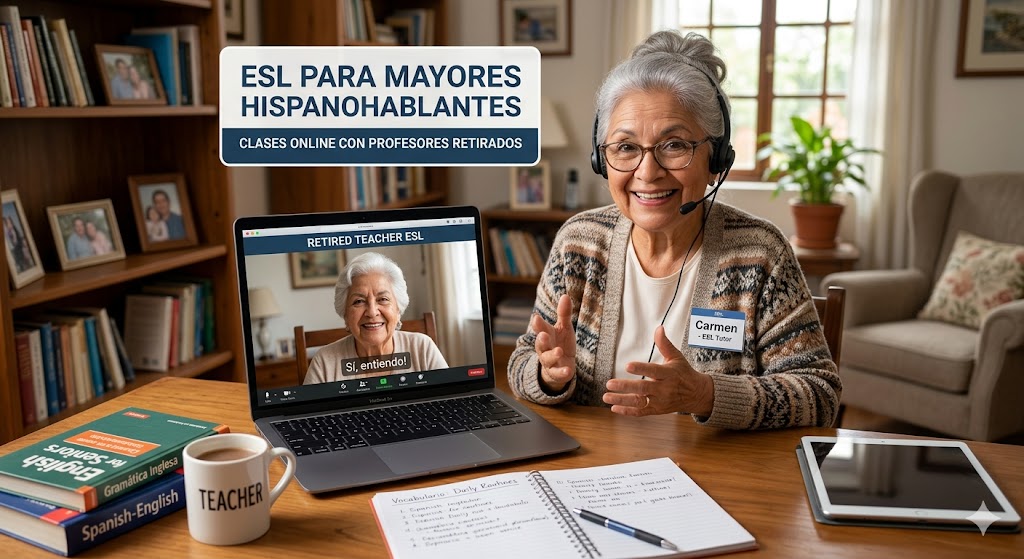
Stepping into online ESL (English as a Second Language) tutoring for seniors as a retired teacher opens up some pretty rewarding opportunities. There’s something truly special about helping Spanish-speaking seniors learn English, whether they’re hoping to connect with family abroad, handle travel confidently, or simply keep their minds active. Online ESL tutoring for seniors isn’t just about learning grammar and vocabulary. It’s also about building confidence, staying social, and making the whole learning process enjoyable at any stage of life.

Why Retired Teachers Make Great ESL Tutors for Seniors
Retired teachers bring loads of classroom experience, patience, and real-life teaching stories to the online space. Many Spanish-speaking seniors grew up with traditional learning styles, so the approach and reassurance from a retired teacher can work wonders here.
With retired teachers teaching ESL online, lessons naturally feel less intimidating. The focus tends to be on clear communication rather than racing through the curriculum. That calm, familiar presence can help Spanish speakers feel comfortable and supported, especially if they’ve had tough experiences learning English in the past.
After years of adapting lessons for all sorts of learners, retired teachers pick up all kinds of creative teaching tricks. They know how to break down even the trickiest concepts and have a sixth sense for when someone’s confused. All of this is super useful for ESL classes for Spanish speakers who need a little extra time and encouragement to speak up or ask questions. In addition, retired teachers are often skilled at finding gentle ways to introduce corrections, giving positive feedback that keeps motivation high without embarrassing the learner.
Retired teachers also tend to understand how learning changes as we age. They are sensitive to slower processing speeds or the need for more frequent reviews, and can adjust lesson plans on the fly. These instincts help boost student comfort and make every lesson feel smoother from start to finish.
Understanding the Needs of Spanish-Speaking Senior Learners
Spanish-speaking seniors have unique backgrounds that shape how they learn. Many grew up at a time when English wasn’t taught as widely, or they may have had less exposure to technology. When it comes to learning English online for Spanish seniors, small details make a difference:
- Preferred Learning Paces: Many seniors prefer slower, more deliberate lessons so they can repeat and review as needed.
- Learning Goals: Some want everyday conversation skills for travel or family, while others are excited to read English books or use technology in English.
- Building Confidence: Encouragement goes a long way, especially for those who have avoided speaking English for years out of worry about making mistakes.
- Tech Comfort Levels: It often helps to start lessons with short tech walk-throughs, like demonstrating video call basics, screen sharing, or accessing digital materials.
If you’re aiming to offer online ESL tutoring for seniors, being patient and adapting to each learner’s pace is really important. Repetition, visuals, friendly reminders, and lots of real-life examples help lessons stick and boost confidence.
It’s important to consider cultural factors, too. Seniors from Spanish-speaking backgrounds may bring strong family values, love for group activities, and an emphasis on humor and storytelling to the classroom. Recognizing and using these strengths in your teaching style helps make lessons feel familiar and welcoming for them.
Practical Steps to Start Online ESL Tutoring for Spanish-speaking Seniors
Jumping into online ESL tutoring for seniors as a retired teacher doesn’t require fancy equipment or special software, but it helps to have a few basics lined up to make lessons smooth and enjoyable.
- Get Comfortable with Video Calls: Choose a simple platform like Zoom or Google Meet. Test sound, webcam, and screen sharing ahead of time. Show seniors how to adjust volume or turn captions on; small tech tips can make a big difference.
- Create Clear Lesson Plans: Spanish-speaking seniors tend to appreciate knowing what to expect each lesson. Start every class with a brief overview, stick to a routine, and always give time for questions. Lesson pacing is super important; leave space for review, not just new content.
- Use Visuals and Context: Pictures, simple charts, and real-life props (like menus or maps) make new words more memorable. For example, pulling up a map and practicing directions or using food photos for restaurant vocab goes a long way.
- Keep Tech Simple: Too many apps or logins can feel overwhelming. Stick with one or two reliable platforms and repeat steps until everyone feels comfortable.
- Encourage Practice Between Lessons: Suggest light, daily activities, like labeling items at home or chatting in English with a friend, to help reinforce what they learn. For those who want extra practice, sending short audio clips or simple written exercises can add just the right amount of support without feeling overwhelming.
Organizing these basics ahead of time ensures that lessons stay focused on language practice, rather than tech troubleshooting. It can also be helpful to set up a support system, such as a group chat or an email thread, to answer questions between sessions. This makes learners feel less isolated and more supported as they navigate the new territory of learning online.
Cool Features of Online ESL Programs and Platforms for Seniors
Online ESL resources have come a long way, and there are plenty of options tailored for mature learners. Here are a few top ESL resources for seniors and some eye-catching features that make them worth checking out:
- Duolingo & Busuu: These apps offer friendly, bite sized lessons and are especially popular for basics and review. While not senior-specific, many users in their 60s and older have success with the simple formats.
- Engoo & italki: These tutoring platforms connect seniors directly with native speakers for live conversation, giving practice with real-life accents and slang.
- FutureLearn & Coursera: These sites offer free and paid ESL classes for Spanish speakers, including courses specifically aimed at adults and mature learners.
- British Council Resources: The British Council has a section designed for adult learners, including podcasts, word games, and gentle reading practice, making it super useful when planning lesson activities.
- Custom Document Sharing: Google Docs or PDFs are great for sharing homework, checklists, and visual aids between sessions.
As for retired teacher ESL tutoring, personal lesson banks built up over the years, like printable worksheets or favorite warm-up activities, can easily be adapted for online use. Bringing in a homemade touch helps digital classes feel less sterile and more inviting. Additionally, retired teachers can reach out to local community centers or libraries for senior-specific materials and resources, which can provide a welcome change from online content and encourage learners to get involved in their community.
Tips for Teaching ESL to Seniors: What Works Best
Working with older adults comes with its own set of quirks and joys. Here are some tips I’ve found to be really helpful for teaching ESL to seniors, especially Spanish speakers:
- Patience and Positivity: Seniors who haven’t studied in years may feel anxious about learning a new language. Celebrate small wins and stay upbeat. A relaxed environment ramps up learning speed and comfort.
- Repeat and Review: Go over vocabulary and sentences often. Repetition locks new info into memory, and seniors tend to do better when they’re not rushed onward too quickly.
- Link English to Everyday Life: Whether it’s practicing ordering coffee, filling out a form, or chatting with family, anchor lessons to real needs. Use props, menus, or even online shopping pages as lesson tools.
- Translation Isn’t Always Bad: Some purists say “English only,” but I’ve found that giving Spanish translations at first can ease stress and clear up confusion. Over time, you can move toward more English and less Spanish in each lesson.
- Make Tech User-friendly: Write out instructions or record short screen videos for tech steps, like how to open an email or join a session, so everyone can revisit them later.
- Use Memory Tricks: Simple rhymes, flashcards, or funny stories help with memorization.
Another helpful idea is to encourage seniors to keep a language notebook – jotting down new phrases, doodling, or collecting clippings can help build a personal connection to the material and boost confidence on slow days.
Troubleshooting Common Challenges When Teaching Senior Learners
- Tech Hiccups: Glitches happen. Always have a backup plan, like a phone call to finish a session. If seniors are new to computers, start each series of sessions with a “practice call” just to get comfortable.
- Fatigue or Eyestrain: Keep sessions short (30 to 40 minutes), build in breaks, and use bigger text or more visuals when possible. Switching between activities (listening, speaking, reading) also helps combat fatigue.
- Anxiety About Making Mistakes: Remind learners that mistakes are normal, and share your own stories of learning a new language if you have any. Gentle humor and encouragement help break the ice.
- Translating Habit: Spanish speakers may slip into translating everything back and forth. Encourage them to “think in English” gradually, using pictures and gestures to reinforce meaning.
Encourage breaks for stretching or a glass of water, especially during longer sessions. Sometimes, pairing seniors together for language games can help ease tech fears and anxiety—and add a little fun rivalry into the mix.
How to Structure Effective ESL Lessons for Spanish Speaking Seniors
Creating a solid, reassuring routine is pretty important when teaching ESL online to seniors. I usually break each session into three parts:
- Warm Up: Start with a friendly update, such as “How was your week?”, and review any homework or previous material. Short games, like naming five foods in English, help set a fun tone.
- Main Lesson: Focus on one topic (like shopping or directions). Use visuals, real life examples, and lots of back and forth practice. Keep grammar explanations simple, focusing more on patterns than terminology.
- Wrap Up and Review: Go over the new vocab and give a chance for questions. Set a small practice goal for next time, like preparing a short sentence or making a list in English.
Sticking to a regular format gives learners something familiar to lean on while they pick up new material. Including weekly challenges or “English only” days can keep learners motivated and interested.
Bringing Community and Connection Online
One of the perks of online ESL tutoring for seniors is building a sense of belonging. Seniors can join small group classes or pair up for conversation practice. Even if learners start out shy on video calls, group laughs and shared learning moments help break the ice.
Staying social while learning English is super important for seniors who might feel isolated. Retired teacher ESL tutoring can also include follow up emails or a digital newsletter with extra tips, funny stories, and celebrations of learner milestones. Creating online communities, such as private Facebook or WhatsApp groups just for class members, can help keep learning social, provide tech support, and provide another avenue for gentle practice.
Frequently Asked Questions About Online ESL Tutoring for Seniors
How tech savvy do seniors really need to be?
Not very! With a simple device (phone, tablet, or computer), most platforms walk you through with just a few clicks. Many programs are easy to find your way in, and lots of Spanish-speaking seniors pick up the basics fast with a little patient guidance.
What if my student gets nervous speaking English in front of others?
Start with private one on one lessons, then gently introduce group conversation or role play. Creating a pressure free, positive space helps build confidence.
Are apps like Duolingo enough on their own?
These apps are great for practice and review, but retired teachers bring the personal touch that apps can’t. Live feedback, tailored lessons, and real conversations make learning stick better for seniors.
How do I pick the right resources for Spanish-speaking seniors?
Focus on features like large text, audio playbacks, clear instructions, and simple navigation. Look for programs with Spanish language support or content made for older adults.
Do group classes work for seniors?
Absolutely. Group classes bring bonus social interaction, but small groups are best so everyone has a chance to speak and ask questions.
Extra Learning Ideas and Useful Resources
- Simple podcasts: Things like ESLPod or the British Council’s adult learner podcasts make for great listening between lessons.
- YouTube Channels: Channels such as BBC Learning English and Inglés Facil have approachable videos suitable for beginners and mature learners.
- Printable Worksheets: Creating printable exercises for grammar, reading, and vocabulary is handy for those who like to write by hand as well as practice online.
- Library and Community Center Programs: Many local libraries offer free English learning resources, sometimes even lending out tablets or hosting virtual classes for seniors.
Helping Spanish-speaking seniors learn English online is about creating a classroom where everyone has the space, encouragement, and clear direction to succeed. Retired teachers are in a fantastic spot to offer that mix of patience, experience, and structure. With thoughtful planning and a friendly approach, online ESL tutoring can turn into a genuinely enjoyable and meaningful part of life. Both the learner and the tutor gain a sense of accomplishment, personal growth, and connection.
This article was created with AI assistance and reviewed by a human editor.