Freelance ancestry research services can open many doors for anyone curious about their roots, especially seniors who want to explore their family history online. I’ve found that tapping into experienced genealogists remotely is a fantastic way to uncover stories, documents, and family trees without ever leaving your house. Online ancestry research for seniors is pretty convenient, letting you work at your own pace and connect with experts who bring lots of real-world experience to the table.
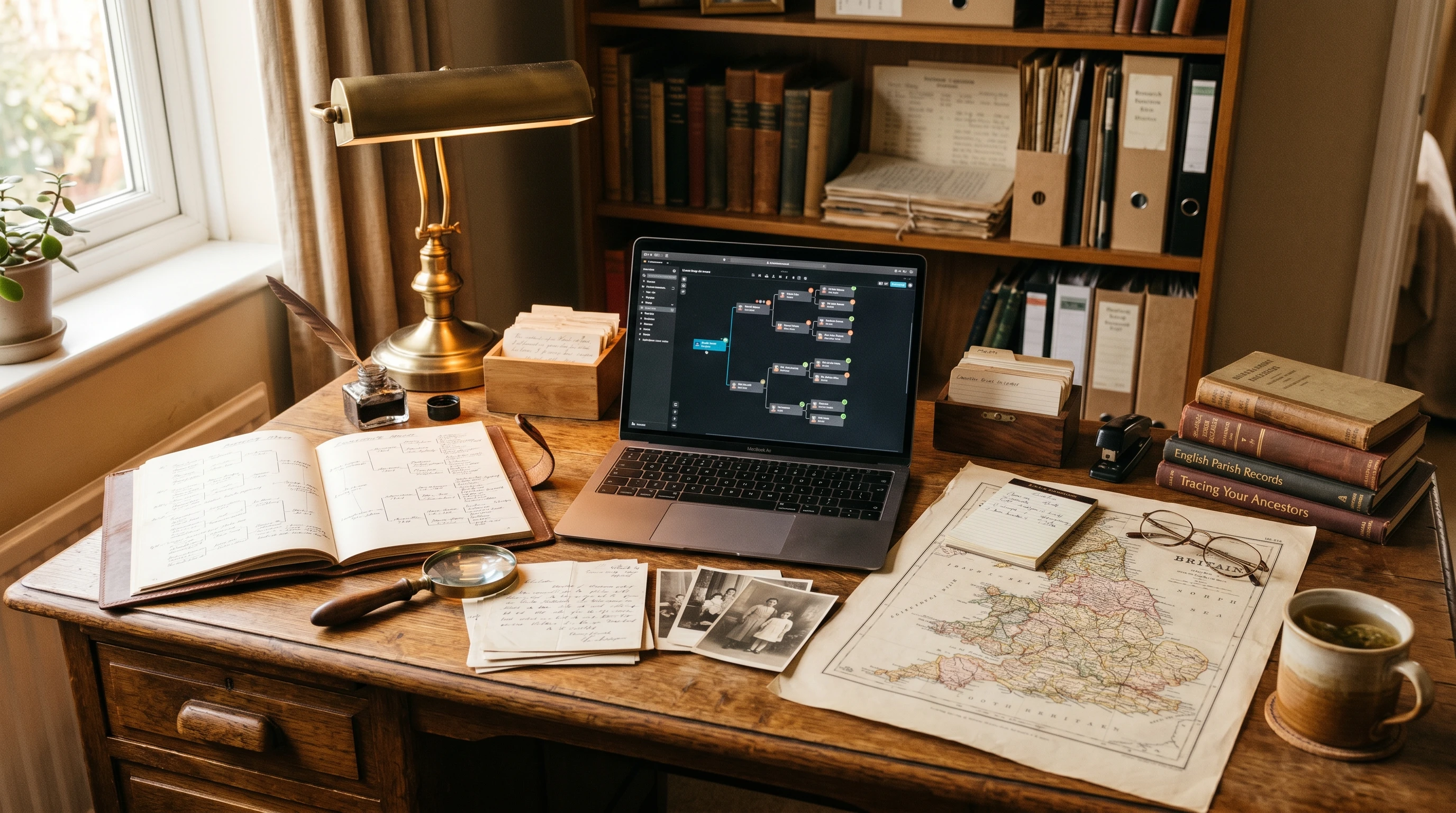
Why Remote Genealogy Makes Sense for Seniors
Genealogy research projects for seniors have become a lot more accessible. It used to require travel to dusty archives or waiting for snail-mail records, but now almost everything can be done online. Quality freelance ancestry research services usually combine traditional skills with digital know-how, so you get fast results and expert help even for complicated family lines.
Many seniors prefer the flexibility that online options give. You don’t need to worry about mobility, location, or even heavy research lifting; a good genealogist will walk you through each step or do the legwork for you, depending on your preference. This approach also frees up more time to enjoy what you stumble upon, whether that’s sharing with grandkids or adding to your family scrapbook. Plus, you can revisit your findings anytime, and even connect with relatives in other countries without travel hassles. Researching from home adds comfort and encourages more seniors to dig deeper.
How to Hire a Genealogist for Research
Knowing how to hire a genealogist for research can feel a bit overwhelming at first, but there are practical steps to keep things simple and stress-free. Here’s what I recommend checking before getting started:
- Check Their Experience: Pick someone who specializes in the regions or heritages you’re into. If they’ve got strong reviews and can show real case studies or testimonials, that’s a big plus.
- Ask About Their Process: A solid freelancer will happily walk you through how they research, what tools they use, and how they’ll keep you updated during your project.
- Discuss Privacy: Find someone who is clear about how your personal information will be handled, since genealogy involves some sensitive data.
- Ask About Fees and Timelines: Know what you’re paying for: hourly rates, package deals, or per-document pricing all work, as long as it fits your needs and timeline.
- Look for Clear Communication: A good genealogist is responsive and makes things easy to understand, which is crucial for longer projects.
Getting Started with Online Ancestry Research
If you want to get into online genealogy research or just need a little assistance with genealogy research for seniors, setting up a plan is key. The internet is loaded with massive record databases and interactive tools that didn’t even exist a decade ago, and a seasoned genealogist will help you make the most of them.
I’ve put together a quick guide for seniors jumping into online research:
- Gather Family Information: Collect names, dates, and locations from family stories or old documents. This gives your genealogist a solid foundation to start from.
- Set Clear Goals: Decide whether you want a super-detailed family tree, background on a single ancestor, or specific documents. Clear goals ensure you get results you care about.
- Pick the Right Platform: Trusted sites like Ancestry, MyHeritage, and FamilySearch are favorites for teaming up with pros. They offer secure tools and vast archives.
- Keep a Notebook or Digital File: Jot down questions and discoveries. Tracking this info is handy for follow-up sessions and helps you stay organized.
- Decide How Involved You Want to Be: Some clients love the hunt, while others prefer regular updates and a tidy final report. Let your genealogist know your style early on to make the ride smoother.
By planning your research strategy and working closely with your genealogist, you save time and avoid unnecessary back-and-forth. Be honest about your preferences upfront, and don’t hesitate to ask for help with navigation or technical details as needed.
Troubleshooting Common Problems in Senior Genealogy Projects
Even with excellent freelance ancestry research services, a few hurdles pop up more often in genealogy research projects for seniors. Here’s what crops up most, with tips to handle them:
- Missing or Confusing Records: Sometimes records are lost, destroyed, or packed with contradictions. Patience is key. An experienced genealogist will track down alternative sources, such as church registers, local newspapers, or military records, to fill in missing pieces.
- Language Barriers: Old documents might be in unfamiliar tongues. Most senior genealogists can arrange translations or spot key terms in everything from Latin to Polish, so language doesn’t stall your project.
- Online Scams and Unreliable Sites: Only use secure, credible platforms when sharing data. Your research partner should recommend reputable sources and double-check leads before revealing results, keeping you safe.
- Genealogy Software Overwhelm: Tools can look complex, but you don’t need to be a tech expert. Ask for step-by-step instructions or screenshots; good genealogists walk clients through new software with patience.
- Finding Distant or Living Relatives: Locating long-lost cousins or confirming DNA matches can take time. A well-connected freelancer knows when to turn to social media or private databases for support and fresh leads.
Missing or Confusing Records
This is common, especially when researching records from wars or periods of migration. Parish records, local histories, or even old maps can help fill in the blanks. Sometimes, a persistent genealogist uncovers hidden gems in small archives or personal family bibles.
Language Barriers
No need to panic if your ancestors’ records aren’t in English. Freelance genealogy services often include language help or referrals for translations, so you never get stuck.
Reliable Resources and Scams
Stick to recommendations from well-known historical societies or genealogy organizations. I always encourage seniors to avoid sharing sensitive documents with unverified websites and to double-check every new contact or service.
Long-term and Flexible Options for Ancestry Research
Long-term genealogy research options are perfect for folks who want to take their time or have a rich, complicated family background. Some seniors keep a genealogist on retainer, checking in every season or as new records get released. Others start with one project, then expand as new questions and interests develop.
- Ongoing Updates: Arrange regular reports or milestones, such as tracing back one generation at a time. This keeps your project moving steadily forward.
- Family Collaborations: Share results with relatives and collect their stories. These collaborations add variety, making the adventure both fun and meaningful for multiple generations.
- Professional Consulting: Schedule video calls for advice if you enjoy doing some research yourself but need support to interpret DNA matches or tough handwriting challenges.
Flexible arrangements are a hit because life changes, sometimes you find new leads or want to pause, and your genealogist can easily switch things up as you go. Remote access to experts also means you’re not limited by local knowledge or resources, opening up the world’s archives to you.
Senior Genealogy Research Tips
Getting results from genealogy research requires patience and curiosity. Here are some senior genealogy research tips I always share with new clients:
- Write Everything Down: Memories fade, and details blur. Keeping a journal or digital notes of what you stumble upon, websites you use, and contacts you make will save you time and confusion later.
- Back Up Your Research: Always save digital copies and don’t forget to make backups of important files, in case your computer fails.
- Use DNA Tests Wisely: DNA kits can confirm suspicions or open up new questions, but it’s much easier to interpret results with guidance from a professional who understands the science.
- Ask Family for Input: Even minor stories or forgotten photos can unlock major breakthroughs in the research process.
- Take Breaks: Research is absorbing, but a break gives you a fresh perspective and helps you spot clues you might have missed originally.
Also, don’t feel shy about asking your genealogist to double-check hard-to-find details or cross-reference new findings. Regular communication helps avoid wasted effort and keeps things running smoothly.
RealWorld Examples of Online Genealogy Projects
I’ve worked with many seniors online who started with little technology experience. It’s much more about curiosity than being a tech expert. One client wanted to trace her Irish roots and ended up connecting with distant cousins who were still running the family’s farm. Another finally solved a decades-old mystery by tracking a great-grandfather’s journey from Italy using digital ship manifests and online church records.
- Photo Identification: Projects like matching old, unlabeled photos to actual names and events create lasting keepsakes for today’s families.
- Creating Family Books: Some seniors turn their discoveries into storybooks, sharing them at reunions or gifting them to grandkids who never knew these tales.
- DNA Connections: With a genealogist’s help, one client identified her biological grandparents through DNA results and smart online research, finally answering generational questions.
There are plenty of success stories out there. The most exciting part is finding those unexpected surprises—connections you never imagined and stories you didn’t know existed. Each project brings its own set of discoveries, often fostering new family conversations and adventures.
Frequently Asked Questions
Here are some answers to questions I often see when people look for freelance ancestry research services:
How much does it cost to hire a senior genealogist?
Prices depend on the size and type of project. Some genealogists offer package deals, while others charge by the hour. Expect a clear quote before any work begins so you can budget confidently.
Can I be involved in the research, or does the expert do it all?
You decide your level of involvement. Many clients like to get involved, while others prefer just receiving updates and final results. Communicate your preference upfront.
Is my personal information safe when researching online?
Yes, as long as you work with reputable genealogists who follow current privacy practices and legal guidelines. Always check the data-handling policies, and don’t be afraid to ask about them before hiring anyone.
How long do genealogy projects take?
It varies—a basic family tree can take a couple of weeks, while more challenging, multicountry projects sometimes run for several months. Ask for regular status updates during the project for peace of mind.
Final Thoughts on Choosing and Working with a Professional Genealogist
Working with a senior genealogist for freelance ancestry research services can be deeply rewarding, especially if you want a personal touch, professional insight, and ongoing flexibility. You don’t need to be a tech wizard or history buff to make this happen. With a little preparation and the right expert, you can turn curiosity about your family’s past into a meaningful and enjoyable adventure. Whether you’re after a simple family chart or hope to create a detailed family history, expert guidance online makes the whole process smoother and more fun. It’s a fantastic way to pass on legacy and memories to future generations while enjoying the thrill of discovery in the present.
This article was created with AI assistance and reviewed by a human editor.






This is an amazing and exciting pursuit for families who have been scattered all over the world or even just in the same country but have not been regularly seeing each other because of geographical challenges.
Especially for the younger generations who have not met distant cousins, this will be an eye-opener and discovery.
It could be the start of long -awaited reunions or meet-ups.
I’m just concerned about the confidentiality of the information that you share. How confident should I be that these will not be shared with others? Are birthdays and full names required when you submit data?
Marita
What a wonderful perspective, Marita! You’re absolutely right, for families spread across continents, this kind of pursuit can spark connections that might never have happened otherwise, and watching younger generations discover cousins they never knew existed is truly special.
Your privacy concerns are completely valid and worth taking seriously. Reputable genealogy platforms typically use encryption and strict data policies to protect your information, and most allow you to control what’s visible to others versus what’s kept private. As for birthdays and full names, while full names are generally needed to build an accurate family tree, many platforms let you obscure or omit birthdates for living individuals, and you can often use initials or first names only for relatives you’d prefer to keep more private.
Always review the platform’s privacy settings before submitting anything, and check whether it sells or shares data with third parties. A quick look at their privacy policy will tell you a lot. When in doubt, start with minimal information and expand only when you feel comfortable with the platform’s trustworthiness.