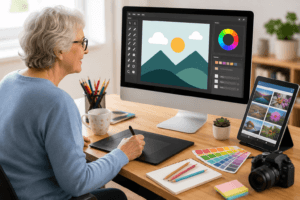
Sharing personal stories can do more than connect families. It can also create a source of income in retirement. I’ve seen how audio stories move listeners, and now, with tools and platforms available for anyone, it’s easier than ever to monetize family stories podcasting. This guide explains how retirees can earn from podcasting by sharing cherished memories, lessons, and family history anecdotes.
Podcasting for retirees isn’t just a fun project. It’s a way to preserve your family’s legacy, connect generations, and generate extra cash along the way. By following these practical steps on how to start a family podcast and exploring simple strategies, you can create a podcast for family memories that also puts a little money in your pocket.

Clarify Your Podcast Vision and Audience
Successful podcasts start with a clear purpose and a clear understanding of who you want to reach. Whether you want to focus on heartfelt family tales, old recipes, personal milestones, or interviews with relatives, it all starts with defining your direction.
Questions to Guide Your Planning:
- What family stories or traditions are you most passionate about sharing?
- Are you speaking mainly to your own family, or would you like to reach a wider audience interested in heritage and genealogy?
- What do you hope your audience will feel or learn after each episode?
- How might your experiences connect with the stories of other families?
Being intentional about your theme and ideal listener helps you pick titles, design cover art, and plan marketing. If you’re not sure where to start, browse popular family history podcasts like “Family Secrets” or “The Genealogy Guys Podcast” for inspiration.
Choose the Right Podcast Format
Podcasting strategies for older adults should focus on what you’re comfortable sharing. Thankfully, there’s plenty of flexibility in how you present your family stories.
Popular Podcast Formats:
- Solo episodes, where you simply tell a story or reflect on a family tradition.
- Interview style, where you invite family members, friends, or local historians to share their perspectives.
- Roundtable chats, perfect for family reunions or multigenerational storytelling.
- Documentary style, where you mix narration, music, and old audio clips or letters.
The best format is the one you enjoy recording, and your audience finds engaging. For some retirees, mixing it up keeps things more interesting. You might try alternating between solo episodes focused on a personal memory and roundtable chats featuring several family voices. Or experiment with a documentary style for special episodes that blend narration, interviews, and background sounds from family events. This can make your podcast even more eye-catching to listeners interested in vivid storytelling.
Gather and Prepare Your Content
Creating a podcast for family memories involves a bit of digging. Start with your favorite stories, heirlooms, or photos. I like jotting down episode ideas in a notebook. Digital tools like Google Docs or Evernote work well, too.
Ways to Find Great Podcast Material:
- Interview older relatives and ask about their childhood.
- Share funny or meaningful stories that have been handed down.
- Spotlight family recipes, crafts, or traditions with a backstory.
- Collect old letters, diaries, or recordings if available.
If you want to feature other voices, try a simple recording app on your phone. Just ask permission before sharing stories publicly, especially if they involve sensitive subjects.
Don’t forget, even everyday details, like how family members met or favorite holiday memories, can be engaging and bring generations together. Adding short anecdotes about historical events your family witnessed, or memorable vacations, can make your episodes feel more relatable to a wider audience. Consider gathering input from different relatives about the same incident to provide multiple viewpoints, creating lively, authentic content.
Set Up Your Podcasting Gear
You don’t need a fancy studio to start. A quiet space, a quality USB microphone, and simple editing software are more than enough. Podcasting for retirees should be stress-free, not complicated.
Starter Podcast Equipment Checklist:
- Microphone, USB mics from brands like ATR or Blue are affordable and sound great.
- Headphones help catch background noise and improve sound quality.
- Recording software, Audacity (free) or GarageBand (for Mac users) are beginnerfriendly.
- An optional pop filter reduces “p” and “s” sounds in speech.
Test your setup by recording a short story and listening back. This helps you spot any annoying hums or echoes before you record a full episode. Consider recording at different times of day to figure out when your environment is quietest. If you’re worried about background noise, draping a thick blanket behind you or recording in a walk-in closet can really boost your audio.
Record and Edit Your First Episode
Recording day can feel a bit intimidating if you’ve never done audio before, but it gets easier with practice. I recommend writing a loose outline to stay on track while keeping your voice natural. Your personal flair is what keeps listeners coming back.
Tips for Easy Recording:
- Find a quiet room. Carpets and curtains help reduce echo.
- Keep some water handy and take breath breaks.
- Edit out long pauses, “um”s, or background noises using free software like Audacity.
- Don’t sweat minor stumbles. Authenticity adds charm.
Add intro music and a brief description to polish your episode. Free music can be found on sites like Free Music Archive or YouTube Audio Library. Just check licensing details.
If you make mistakes or get tongue-tied, pause and re-record. You can fix most little errors in editing. To make editing easier, try clapping loudly if you need to pause; it creates a spike in the audio file that helps you spot where you stopped. Over time, you’ll find your editing rhythm and can even start experimenting with adding sound effects or listener-submitted questions.
Publish and Share Your Podcast
Once your first episode is ready, uploading it to a podcast hosting platform gets it out in the world. Podbean, Anchor (now Spotify for Podcasters), and Buzzsprout are beginner-friendly and have free options.
Simple Steps to Launch:
- Upload your audio file and fill in details (title, description, episode notes).
- Design simple cover art. Canva makes this quick and even fun.
- Submit to major platforms like Apple Podcasts, Spotify, or Google Podcasts.
- Share links with family, friends, and local groups or social media communities interested in genealogy and family stories.
Encourage listeners to subscribe and leave reviews. Word of mouth is powerful, especially for topic-focused podcasting. Creating a short blog post or newsletter summary for each episode can help get the word out to those who may not regularly use podcast apps. Making printable show notes with family photos or recipe highlights can stand out on social media and encourage more shares among your audience.
Monetization Strategies for Retiree Podcasts
There are several ways to monetize family stories podcasting today. It can start slow, but with regular episodes and a growing audience, earnings can build up over time.
Ways to Make Money from Your Podcast:
- Sponsorships & Advertisements, local businesses, genealogy products, or elder services may pay for quick ad spots in your episodes.
- Listener Donations, set up a Patreon or Buy Me a Coffee page for loyal fans to tip or subscribe for bonus content.
- Sell Digital Products, offer downloadable ebooks of your stories, printable family trees, or tips for recording oral histories.
- Offer Paid Workshops, teach others how to record or organize their own family podcasts through Zoom classes.
Monetizing family stories through audio is all about finding what resonates with your comfort zone and your audience’s interests. Some retirees enjoy creating special “member-only” episodes or providing behind-the-scenes interviews to paying supporters. Remember, you can also look for guest slot opportunities on other established podcasts to get your name out there and grow your listener base.
Keep Podcasting Fun and Sustainable
Podcasting for retirees is most enjoyable when it fits into your lifestyle. If weekly episodes feel like too much work, create biweekly or monthly releases. Batch record short episodes in one sitting to take the pressure off.
Tips to Keep Podcasting Joyful:
- Join forces with family members for fresh material and support.
- Celebrate milestones. Each episode is another memory preserved!
- Connect with other podcasters for encouragement and cross-promotion.
- Keep track of listener feedback and let it guide your next topics.
Your passion and unique voice are what keep your podcast special. Stay flexible and let it grow naturally. Consider rewarding yourself after finishing a series of episodes; a small treat or personal celebration can keep you motivated. It’s also helpful to establish a regular routine, like recording on the first Saturday morning each month, to maintain a steady production schedule without stress.

Common Questions & Solutions
Do I need fancy technology?
No. A basic USB mic and free editing tools are enough to sound professional. Upgrade only if you catch the podcasting bug!
What if I’m shy about sharing stories?
Practice recording a few private episodes until you feel more comfortable. Start small, even if you only share with close family at first.
Can I make money right away?
Podcasting income can take time to build. Focus on growing your audience and enjoying the adventure. Monetization usually follows once you’ve found your podcast groove.
Next Steps for Retiree Podcasters
Podcasting gives retirees a unique way to keep their legacy alive and earn extra income through creative storytelling. With the right mindset and a little technical know-how, your experiences can resonate worldwide. Remember, sharing your voice can connect families across distances and generations while putting a few extra dollars in your pocket.
Action Plan:
- Pick a favorite family story and write a simple podcast outline.
- Test your recording setup by capturing a 5minute story.
- Share your episode with a handful of family members and ask for feedback.
- Research podcast hosting options, or join an online group for older adult podcasters.
Monetizing family stories podcasting can start as a passion project and grow into a side income or even more. If you’re ready to share your family’s legacy in your own words, the world is waiting to listen. Why not kick things off today and see where your audio storytelling adventure takes you?
This article was created with AI assistance and reviewed by a human editor.