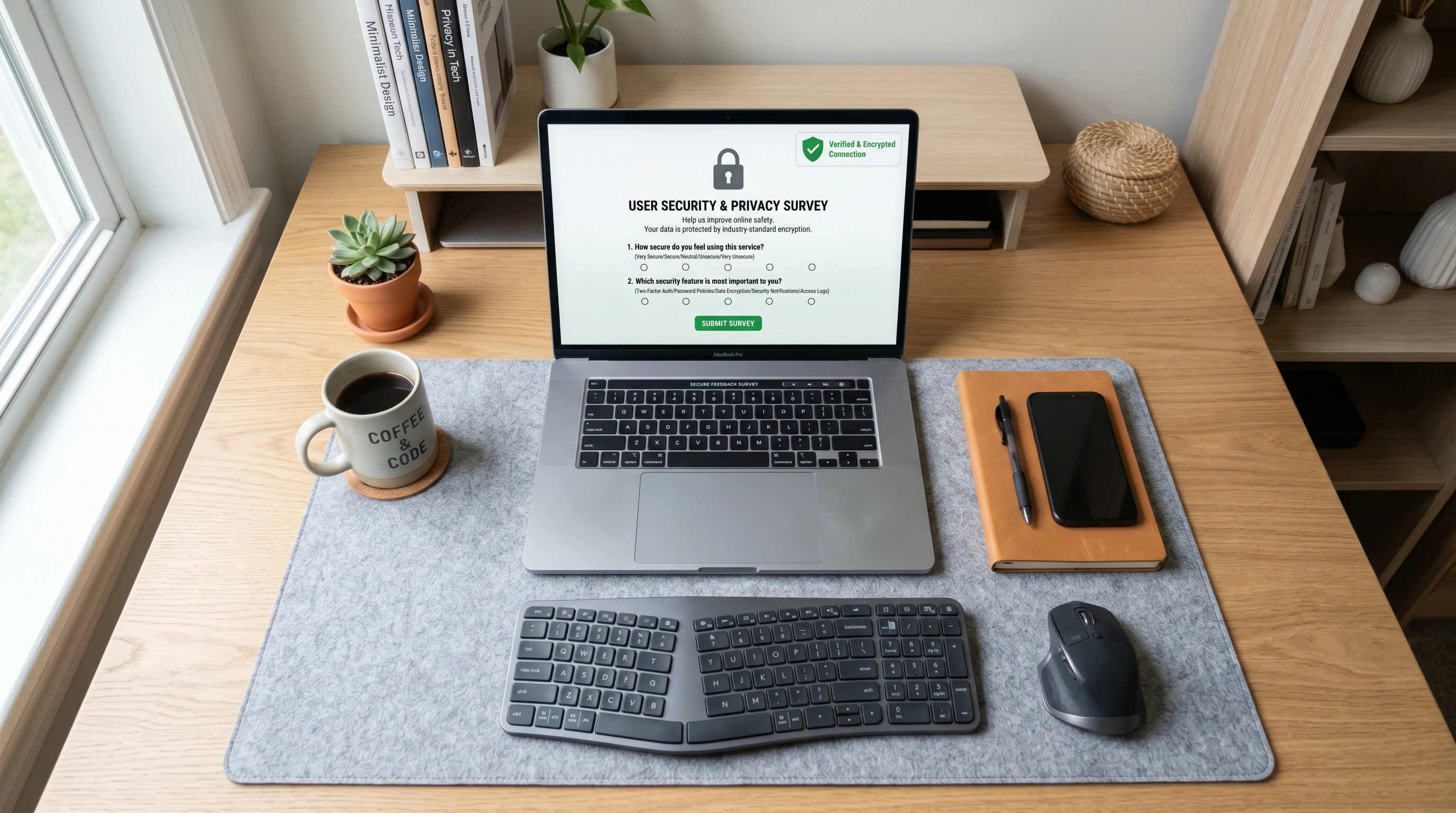
If you’re interested in making a little extra money online, you might’ve stumbled across online surveys that promise cash, gift cards, or other rewards. Figuring out How to Identify Survey Scams is really important these days. For every legitimate survey platform, there are plenty of shady ones waiting to snag your personal info or waste your time.
I’ve seen my fair share of tricky online surveys, and I know how sneaky some of these scams can be. While online surveys can offer genuine rewards and a simple way to earn, avoiding online survey fraud is all about knowing what to look for and trusting your instincts. Here’s my easy-to-follow Online Survey Safety Guide packed with Survey Scam Prevention Tips you can actually use.
Spotting Red Flags: How to Identify Survey Scams
A good start in avoiding paid survey scams is learning how to recognize the warning signs. Here are some things I always watch out for, especially when using a site or app for the first time:
- Requests for upfront payments or fees before you can access surveys. Legit survey sites don’t charge you to join or cash out.
- Promises of unrealistically high payouts. For example, offers claiming you’ll earn $100 per survey. Genuine companies offer more reasonable rewards, usually a few cents to a couple bucks per survey.
- Pressure to provide sensitive personal data, such as your Social Security number, banking details, or government-issued ID, just for taking a survey.
- Emails or ads full of spelling and grammar mistakes, weird links, or odd email addresses that don’t match the company name.
- Sites that lack a clear privacy policy, company contact info, or a professional-looking homepage.
If you notice even one of these, it’s better to skip that website or app. Respectable companies want to protect your privacy and make their communication clear and professional.
Another thing to keep in mind: check for clear ways to opt out of promotional emails and see if there’s a visible customer service contact. No option to unsubscribe or nowhere to contact support? That’s a big warning sign.
Online Survey Scams Tips: The Most Common Tactics
Online survey scams come in different shapes and sizes. Some are pretty obvious, but others are more subtle. Here are a few common tricks scammers use:
- Fake survey rewards: You spend ages filling out surveys, only to be told you didn’t qualify for payment, or you’re asked to pay a ‘release fee’ to get your reward.
- Phishing surveys: The survey asks for account logins, passwords, or financial information under the pretense of “market research.”
- Malware surveys: Clicking a survey link downloads malware to your phone or computer, which can steal your data or track your activities.
- Pyramid/recruitment scams: You’re asked to refer friends to make money. The real “payout” only happens if you get others to sign up and pay fees.
Being aware of these tactics is a solid first step in Online Survey Scam Prevention. If you get a suspicious feeling or the rewards sound too good to be true, close the window, save your time, and protect your data.
Safe Survey Practices: Online Survey Safety Checklist
I keep a simple Online Survey Safety Checklist that helps keep things clean and easy to follow. Here’s what’s worked for me:
- Stick with reputable companies: Only use survey platforms that have a strong online reputation, lots of reviews, and a clear privacy policy. Some well known options include Swagbucks, Survey Junkie, and Pinecone Research. Checking for a Better Business Bureau (BBB) rating can help too.
- Use a secondary email address: Keep your main inbox spamfree and limit exposure by signing up with a dedicated email meant just for surveys.
- Read privacy policies: This may feel boring, but scanning for how your data is used and shared can save you nasty surprises down the road.
- Don’t share unnecessary info: Never give up things like your bank info, driver’s license number, or social media passwords, even if a survey says it’s required.
- Check payout terms: Make sure you know how and when you actually receive any rewards, and if there are payout minimums.
Simple habits go a long way in keeping you safe while still letting you take advantage of legit survey opportunities. Also, use strong and unique passwords for every survey platform. Consider updating your passwords every few months as an extra safety measure, especially if you sign up for lots of platforms.
Avoiding Paid Survey Scams: Research Before You Register
I always Google a survey site before joining, searching reviews, scam warnings, and forums. Some tips that help:
- Check Trustpilot, Reddit, or the BBB for user experiences.
- Look at social media accounts and see if the brand has a following or is mentioned often.
- Search for the survey company name + “scam” or “legit.” Reports of people not getting paid or being spammed with offers are red flags.
Careful research helps buyers make informed decisions and goes hand in hand with avoiding online survey fraud. If anything doesn’t feel right or the company seems hard to trace, just walk away. There are plenty of honest options out there, so don’t force it if you have doubts. You can even ask in online communities for recommendations of safe sites if you’re unsure.
What to Do if You’ve Fallen for a Survey Scam
First off, don’t beat yourself up. These scams fool a lot of smart people. If you’ve already handed over personal info or clicked dodgy links, here’s what to do:
- Change your passwords: Especially if you’ve given out passwords linked to your email, bank, or social accounts.
- Watch your accounts: Look out for strange charges or new accounts in your name. If you spot anything odd, contact your bank or the service provider right away.
- Scan for malware: Run a thorough scan on your devices using trusted antivirus software.
- Warn others: If you found the scam through a particular website or social media page, share your experience to help others avoid it too.
Taking action quickly can prevent headaches or even bigger problems later on. If you think your identity may have been stolen, consider freezing your credit and reporting the incident to your national fraud agency for extra protection.
How to Report Survey Scams
Reporting bad actors helps keep the internet a little safer for everyone. If you spot an online survey scam, you can:
- Contact the Federal Trade Commission (FTC) through reportfraud.ftc.gov.
- File a report with your country’s consumer protection office or national fraud agency.
- Flag scam websites and posts on social media directly through reporting tools.
- If you got an email, mark it as spam and report phishing to your email provider.
The more info you include—screenshots, links, emails—the easier it is for investigators to act. Quick reports stop others from getting duped and help clean up search engine results too.
Sharing your experiences with friends and family also makes a difference, since scammers often rely on people not talking about what happened. The more we talk about these shady tactics, the less successful they become.
Common Questions & Troubleshooting
What if a survey promises unusually high rewards?
It always raises my eyebrows. If the offer seems way above what legit companies typically pay, it’s worth checking review sites for scam warnings and skipping it if you have doubts. Good old-fashioned common sense goes a long way here.
I’ve been asked for my bank info—should I give it?
- I don’t share my bank details for surveys. Legitimate surveys pay with PayPal, gift cards, or prepaid rewards, and never require direct bank access just for taking surveys.
Can I actually make decent money with online surveys?
You can earn a bit here and there, but it’s not a substitute for a part-time job. Look at surveys as a low-stress way to pick up some gift cards or extra spending money. If you’d like to add more income from home, consider combining surveys with other side gigs like freelance writing, selling items online, or testing apps and websites. Mixing things up can improve your earning potential and keep it interesting.
Final Thoughts & Next Steps
Taking online surveys can be fun and rewarding, but it’s super important to stay smart and keep an eye out for red flags. Using an Online Survey Safety Checklist, trusting your gut, and doing a little research before signing up are the best ways to keep things safe. Sharing your experience helps other people too, so don’t hesitate to get the word out if you spot a scam.
Your Action Plan:
- Pick two or three reputable survey sites to join after some quick research. Try Swagbucks, Survey Junkie, or Pinecone Research to get started.
- Set up a separate email just for survey accounts; this makes it easier to filter offers and manage your inbox.
- Bookmark this guide for when you run into a new survey site or app, and check back whenever you need to refresh your memory on safety tips.
Thinking of giving online surveys a shot or have a story about a sketchy one? Share your experience and help others avoid the traps! By staying sharp, you can enjoy the small perks surveys offer and protect yourself in today’s ever-changing online world.





Hello I’m mrwillan, I have been involved in a lot of online scrams, and Identify Survey Scams is really important, i have had a few, also promotional emails is something I look at, stay away from, staying away from the scrams, Online Survey Scam Prevention. i way is Keep your main inbox spam free, always use strong and unique passwords, this is a good tip.
always Scan for malware, watch the red Flag scam websites, i have not thought but sharing your experiences with friends and family is something survey reader should do, never share bank details for surveys, that’s want a lot of people in up doing, watch out for red flags, i have my share of survey scrams, this is great site post, thanks for sharing.
Hi Mrwillan, thanks for sharing your experience. Sorry to hear you’ve run into so many of these scams yourself, but it’s great that you’re turning that into useful advice for others.
Your points are all spot on. Keeping a separate inbox for surveys/promos away from your main one is such an underrated tip; it cuts down clutter and makes it easier to spot something fishy when it does land in your primary inbox. Strong, unique passwords and regular malware scans are basics that genuinely make a difference, and watching for red flags (too-good-to-be-true rewards, requests for sensitive info, pressure to act fast) is really the core skill here.
The “never share bank details for surveys” point can’t be repeated enough; legitimate survey sites pay out via PayPal, gift cards, or similar; they never need your banking info upfront. And you’re right that more people should talk about this with friends and family; a lot of folks fall for these simply because no one in their circle ever warned them what to look out for.
Appreciate you adding to the conversation with real experience behind it.