Peer to peer lending is catching a lot of attention right now, mostly because it offers a fresh way to invest and borrow money without using banks.
Instead of going through traditional financial institutions, people can lend directly to other people online, and potentially earn higher returns. If you’re new to all this, it can sound a little scary, but the reality is that with smart Peer to Peer Lending Strategies, lots of folks are finding it a pretty handy way to diversify their investments.
If you’re considering dipping your toes into peer to peer lending, you might be asking, “Howdo I stay safe?” or, “What do I need to know before I start?” Figuring out the right steps can help you avoid mistakes and make sure you’re getting the most out of the process. I’m sharing my own experiences and a clear roadmap for anyone interested in safe peer to peer lending tips.
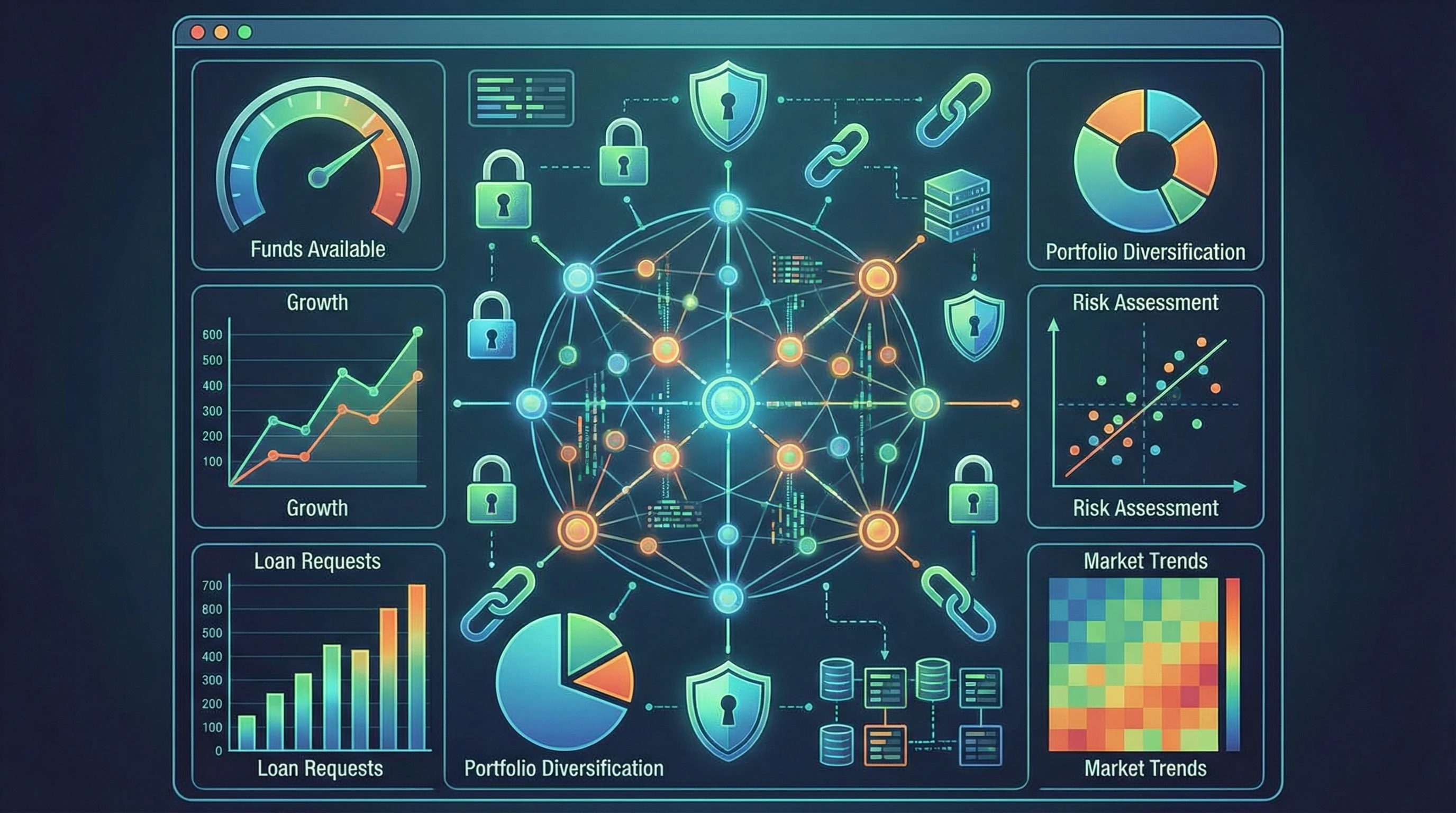
Understanding How Peer to Peer Lending Works
Peer to peer lending (sometimes called P2P lending) basically connects lenders and borrowers through online platforms. Lenders provide money in return for interest payments, while borrowers can usually get loans more easily (and often at lower rates) compared to banks. The entire process takes place on a secure website that helps match people up and manages payments. In recent years, the P2P industry has grown fast because of the convenience and often greater transparency compared to traditional ways of borrowing and investing.
Key Parts of Peer to Peer Lending
- Lender: Anyone (yep, you don’t need to be a financial pro) who puts money into the platform to earn interest.
- Borrower: Individuals or small businesses looking for a loan, usually at lower rates or with less paperwork slowness.
- P2P Platform: Websites or apps (like LendingClub, Prosper, or others) that act as the marketplace and handle all the technical stuff.
Most platforms let you choose who you lend to, sometimes giving you details about the borrowers’ credit and what they need the loan for. As a lender, you get paid back with interest. Most of the time there are simple tools to help you spread your risk around, so you’re not relying on just one borrower coming through. Many platforms also provide educational resources or tools to help assess loan risks, making it easier for new investors to join in confidently.
Setting Your Peer to Peer Lending Goals
Before you even create an account, thinking about your actual goals is really important. Are you looking for regular passive income? Trying to help out small businesses in your area? Or hoping to test out a new investing strategy with a small chunk of cash? Knowing your goal will decide which platforms and types of loans are the best fit for you.
Questions I Like to Ask Myself First:
- How much cash am I comfortable investing?
- Do I want monthly income or am I okay waiting for a longer payoff?
- How much risk am I willing to take? (Be real with yourself here!)
- Will I need the money back soon, or can I leave it locked up for a while?
Example Peer to Peer Lending Goals:
- Invest $500 in small personal loans and test the process before adding more money later.
- Focus on higher credit grade borrowers to lower my risk, even if returns are a little smaller.
- Diversify my investments so P2P is just one slice of my portfolio.
- Support ecofriendly or community focused loans if you want impact investing.
Once you know what you want out of the experience, picking a platform and building your strategy just gets easier. Goal setting also helps you stay consistent when evaluating results, making tweaks with a purpose rather than on a whim. Writing down your investment goals keeps you motivated and helps track your progress over time, which is especially useful for beginners.
Finding the Right Peer to Peer Lending Platform
Every P2P website is a little different, and picking the right one makes a big impact on your safety and returns. Some cater more to borrowers with excellent credit, while others are for small business loans. It’s worth checking out platform reviews, fee structures, and how much borrower info you can see before signing up.
Popular Peer to Peer Lending Platforms:
- LendingClub: Focuses mostly on personal loans, reports a good variety of borrower profiles.
- Prosper: One of the oldest P2P platforms, gives lots of borrower info to help select appropriately.
- Upstart: Personal loans with a focus on borrowers with a limited credit history, uses AI for decisions.
- Funding Circle: Caters to small business loans, for those interested in helping companies grow.
Reading real user reviews and checking the Better Business Bureau or Trustpilot for complaints and platform responses gives you a real sense of how trustworthy each service is. Always poke around to look for any platform specific fees, timelines for transfers, and how hands on you want to be in picking loans. Some platforms also offer added protections, such as reserve funds or buyback guarantees, so be sure to track down all available investor benefits when doing your research. If English isn’t your first language or if you’re unsure about any details, contacting platform support directly is a smart way to clear things up before depositing any money.
Understanding Peer to Peer Lending Risks and Rewards
Like all investments, P2P lending has risks along with the potential rewards. Knowing what can go wrong and right helps you make smarter choices. Some borrowers might default and repay nothing, so platforms do put a lot of effort into credit checking, but no system is perfect.
Main Risks in Peer to Peer Lending
- Borrower Default: If a borrower can’t pay, you may not get all your investment back.
- Platform Risk: The P2P site itself could go out of business. That’s why researching platform stability is super important.
- Lack of Liquidity: It can be tough or impossible to get your cash out early, since loans usually have set end dates.
- Regulatory Risk: Laws about P2P lending change, which can affect platforms or even freeze your funds in a worst-case scenario.
Possible Rewards in Peer to Peer Lending
- Higher Returns: Interest rates are typically higher than savings accounts or most bonds, depending on the borrower’s profile.
- Diversification: This can be a new “asset class” in your portfolio, helping balance out stock market ups and downs.
- Passive Income: Regular payments (if you set things up for monthly payouts) can bring in extra cash.
It’s all about balancing risk with reward. Safe peer to peer lending tips include spreading your investment over dozens or hundreds of loans, so no single default ruins your experience. For more advanced investors, you can explore secondary markets, where it’s possible to sell off your loans to other investors if you need cash before your original loan terms end.
Peer to Peer Lending Safety Guide: Starting Smart
Getting started safely involves some upfront work, but it truly pays off. Following a few safe peer to peer lending tips is the best way to avoid common missteps and protect your capital.
How to Invest in Peer to Peer Lending Safely
- Start Small: Begin with an amount you can afford to lose while you learn the ropes.
- Diversify Loans: Don’t put all your money into just one or two borrowers. Use features that let you spread out risk.
- Read the Fine Print: Look for hidden fees, minimum balances, and withdrawal policies before putting in any money.
- Use AutoInvest Wisely: AutoInvest tools help keep things hands off, but double check how they pick loans for you.
- Check Borrower Grades: Most platforms rank borrowers by creditworthiness, so you can decide if you want to go for safer, lower yielding loans or riskier but possibly higher-paying ones.
- Track Performance: Keep an eye on your returns and defaults, and be ready to adjust your strategy accordingly. Many folks keep a little logbook or spreadsheet.
- Stay Educated: Regularly read platform updates and investment blogs to keep your knowledge sharp.
Joining online forums or groups for P2P investors lets you hear about people’s real experiences, both the wins and the stumbles. Staying sharp about new scams or platform changes gives you another layer of safety in an everchanging space.
Peer to Peer Lending for Beginners: Practical First Steps
Starting out in peer to peer lending is less about big, bold moves and more about steady, slow progress. Here are some practical first steps for beginners:
- Register and Verify Your Account: Have your ID and banking info ready for review; it helps keep things above board for everyone.
- Set Your Investment Limits: Decide the maximum you’ll invest in a single loan. Many stick to $25-$100 per borrower to spread out risk.
- Review Borrower Profiles: Take time to actually read about the borrowers you’re considering lending to if the platform allows. Don’t rush to invest in the first batch you see.
- Choose AutoInvest Settings (or Manual): If you want less work, set your risk level and let the platform allocate your funds. If you feel comfortable, spend some time handpicking loans to get a feel for the process.
- Document Your Journey: Keep a beginner’s notebook detailing why you picked certain loans and what results came from each choice. This simple tracking helps you learn quickly and avoid repeating mistakes.
I tested out both “auto” and manual strategies. Personally, starting manual helped me understand why certain profiles are safer or more attractive, but AutoInvest is pretty handy once you’re comfortable with the system. Some beginners also enjoy experimenting with the social aspects of certain platforms, where you can interact with or even support borrowers you feel connected to.
Peer to Peer Lending Strategies for Safer Returns
There are a few go to strategies that anyone can follow to boost their safety and returns:
- Diversify Broadly: Aim for at least 50-100 loans if you can. The more, the better, since no single default will crush your numbers.
- Consider Loan Grades: Mix up safer lower return loans with a few higher yield risky ones, depending on your comfort zone.
- Reinvest Returns: Whenever you get interest or repayments, put them back into new loans to build your gains over time. This approach helps compound returns, which can really add up over years.
- Stay Updated: Platforms sometimes change rules, update fees, or add new types of loans. Staying in the loop lets you tweak your strategy for better results.
- Monitor Your Defaults: Pay careful attention to your default rate over time, and make small adjustments if it starts creeping higher. For example, some investors set annual review reminders to rebalance their P2P portfolio based on recent returns.
Staying patient and not chasing only the highest returns is vital. Sometimes, aiming for “safe and steady” works out better in the long run. Combining different strategies and recording your outcomes over months or years lets you spot which methods give you the best mix of safety and returns for your own risk appetite.
How to Spot and Avoid Red Flags
Being alert to warning signs can save you a ton of trouble. Here’s what I’ve learned to look out for, both with platforms and potential borrowers:
- Too Good To Be True Returns: If a platform promises outsized returns with “no risk,” be wary. That’s a huge red flag.
- Poor Transparency: Make sure you can see clear borrower details and platform financials.
- No Clear Protection Against Default: Reputable platforms usually show what steps they’ll take if a borrower doesn’t pay.
- Bad Reviews or Unanswered Complaints: A quick skim through online forums or review sites can reveal unhappy users, or even worse, silence from the platform after issues arise.
- Complicated Fee Structures: If it’s tough to get a straightforward answer about fees, consider looking for another platform that is more upfront.
If you ever feel unsure, it’s best to skip an opportunity rather than risk your savings. Peer to peer lending safety guides always recommend starting extra cautious until you know the ropes. Over time, your instincts for spotting warning signs will get better, and you’ll be able to make decisions more confidently and quickly.

Common Peer to Peer Lending Questions
How much can I expect to earn?
Earnings can vary a lot but, on average, returns often fall between 4–8% per year after fees and expected defaults. The exact number depends on loan types, platform, and how much risk you take. Some savvy investors beat the averages, while a few unlucky ones fall beneath the mark. The more diversified and cautious your approach, the more reliable your yearly earnings are likely to be.
How do I report P2P income on my taxes?
Most platforms issue tax documents showing how much you earned. Generally, interest earned is taxable income, so keep good records and talk to a tax advisor for specific reporting guidance. Remember that some losses from defaulted loans might be tax-deductible, but the details depend on your country’s rules.
Can I lose all my money?
Losing your full investment is unlikely if you diversify and use safe peer to peer lending tips, but some loss is always possible due to borrower default or platform issues. That’s why starting small and spreading your money around is always a smart idea for beginners and seasoned investors alike.
Can I get my money back early if I need it?
P2P loans generally have a set term, like 3 or 5 years, so you should plan on leaving your funds committed until the loans are fully paid. Some platforms offer secondary markets to cash out, but liquidity isn’t guaranteed and you may need to sell at a discount to get your cash quick.
What happens if the platform shuts down?
If a platform closes, there might be an administrator who takes over loan collection. But it depends on local laws and platform agreements, so always check recovery policies ahead of time. Keeping printouts of your loan agreements or platform transactions can make recouping money easier if any platform troubles hit.
Next Steps for Safe and Smart Peer to Peer Lending
Starting out in peer to peer lending is all about building your confidence with small, steady steps. By following safe peer to peer lending tips, doing careful research, and focusing on smart Peer to Peer Lending Strategies, you can boost your chance at steady returns while learning something new about personal finance. Document your wins and lessons learned as you go, and don’t hesitate to reach out for advice in online investing communities focused on peer to peer lending.
Your Action Plan
- Decide on your risk level and total dollar amount for your first P2P investment.
- Pick a reputable platform that matches your goals.
- Start small, diversify across lots of loans, and monitor your performance regularly.
- Keep learning, platforms release new tools and data all the time, so staying up to date helps you keep your edge.
Peer to peer lending for beginners is much less intimidating when you’ve got a strategy in place. Have you tried P2P lending yet? Feel free to share what’s worked for you or any questions you have! And remember, no matter your experience or investment size, going step by step is the best way to get safe and steady returns in this popular new world of personal lending.







Your website is doing a fine gesture helping older adults to make money online, many are struggling financially on a fixed-income. One obstacle that I experience is not growing up with computers, I am sure other older adults experience similar obstacles as well.
Wow, peer to peer lending sounds like something we all need to understand more, I must admit this is brand new to me. Lending Club and Prospher sounds like two resources for this type of lending to check out. Upstart and Funding Circle are two more that you share that are worth considering as well, I am surprised at all the valuable information in this one article on peer to peer lending.
Thank you for including how we can use this safely and your get started beginner tips, both of these are extremely important for us to know.
Thank you
Jeff
Hi Jeff,
Thank you so much for your thoughtful comment. I truly appreciate you sharing your perspective.
You’re absolutely right, many older adults didn’t grow up with computers, and that can make stepping into the online world feel overwhelming at first. The good news is that learning these skills is absolutely possible at any stage of life, and taking it one small step at a time makes a big difference.
I’m glad the section on peer-to-peer lending was helpful. It’s still new to many people, so you’re not alone there! Platforms like LendingClub, Prosper, Upstart, and Funding Circle can be worth exploring, but as you mentioned, understanding safety and beginner tips is essential before getting started.
Thank you again for your kind words and for being open to learning something new. That mindset alone puts you ahead.
Wishing you continued success,
Andrejs