Real estate crowdfunding is popping up more and more in the world of investing, and it’s really catching the eye of seniors who want to branch out from the standard stocks, bonds, and savings accounts.
The idea is pretty simple: instead of buying a whole property yourself, you team up with lots of other investors to chip in on a property deal. This way, you can get into the real estate market without needing a truckload of cash or taking on the headache of being a landlord.
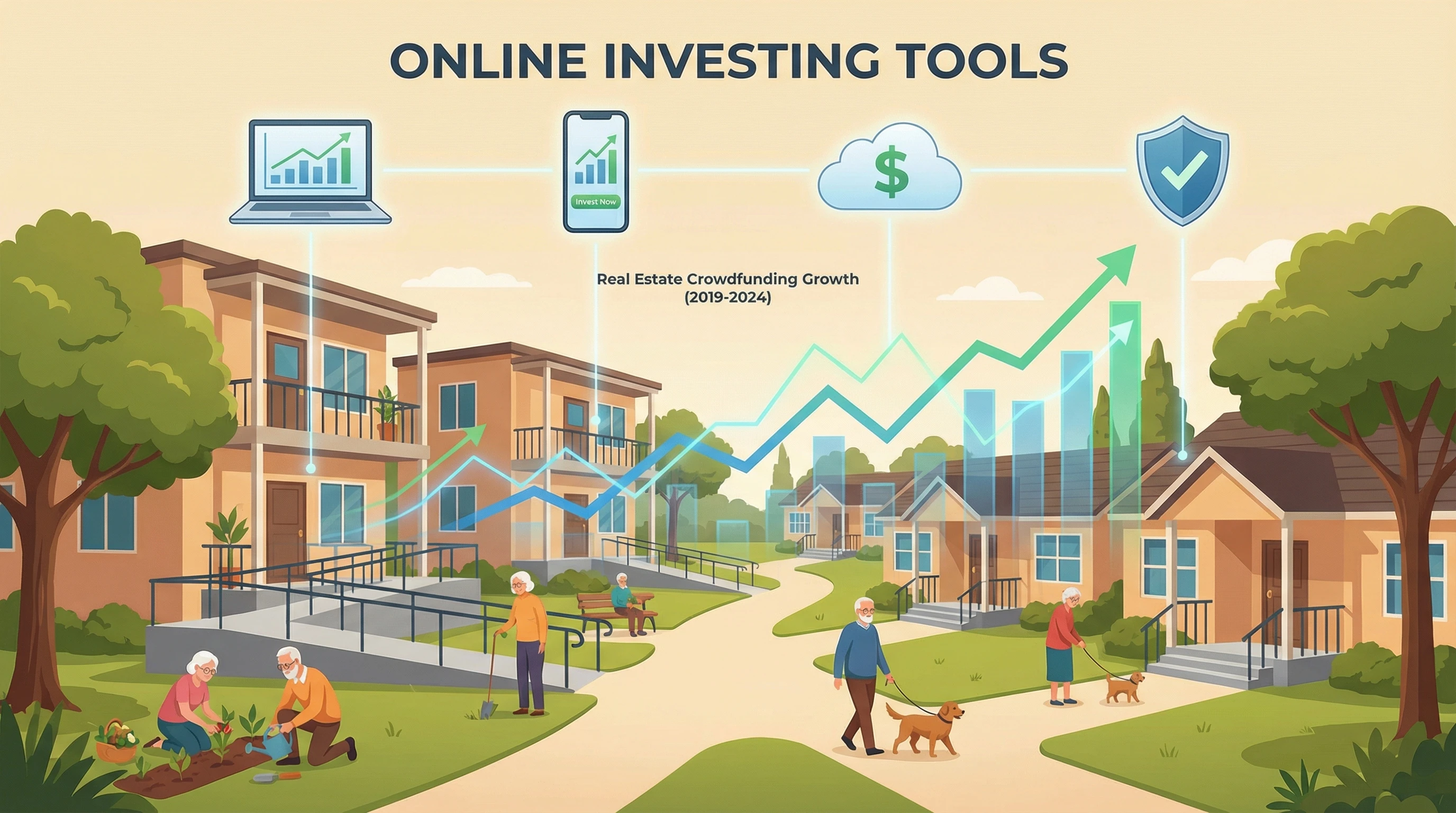
What is Real Estate Crowdfunding?
Real estate crowdfunding is a way for people to invest in properties by pooling small amounts of money with other investors online. Think of it as “group investing” through an online platform that picks the projects (like apartment buildings, shopping centers, or new housing developments) and handles the details. Instead of buying an entire building, you’re buying a slice of it, and you earn a share of the profits, usually from rent or from selling the property after its value has gone up.
For retirees and older adults, this can be a way to chase extra income or long-term returns without the day-to-day chores that come with managing rental properties. Most platforms have low minimum investments (sometimes as little as $500 or $1,000), which makes this approach even more doable for people on a budget or those who want to dip their toes in slowly. This method also moves the focus from owning an entire property to holding a small but meaningful stake, so the process feels more accessible regardless of your investing background.
Why Real Estate Crowdfunding Appeals to Seniors
Traditional real estate investing often means either putting down a big chunk of your retirement savings to buy a property or taking out a hefty mortgage. Not everyone wants that kind of stress, especially later in life. Here are some reasons why real estate crowdfunding stands out for seniors looking for fresh opportunities:
- Lower Costs: The upfront investment is way less than buying a whole property.
- Less Hassle: There’s no fixing toilets or mowing lawns; platforms handle management headaches.
- Diversification: You can spread out your risk by investing small amounts in different projects, locations, or property types.
- Passive Income: Many deals pay dividends quarterly or after a sale, so you can potentially supplement retirement income.
Seniors also find comfort in the fact that these platforms often cater to those who desire less complexity in their financial lives. Beyond convenience, many appreciate how they can balance risk and reward with the freedom to decide how much or how little to invest over time. It’s about control and flexibility, both of which matter more as retirement plans evolve.
Understanding the Basics, How to Invest in Crowdfunded Real Estate
Getting started isn’t tricky, but there are a few steps and some lingo you’ll want to get familiar with:
- Pick a Platform: Start by choosing a real estate crowdfunding platform that fits your needs. Some are open to everyone, while others require you to be an “accredited investor” (meaning higher net worth or income).
- Explore Available Deals: Most platforms let you browse current investment opportunities, showing details like projected returns, minimum investment, and property location.
- Understand the Investment Type: You might be getting into equity (ownership, with a share of profits), debt (like being the bank and receiving interest), or a combo of both.
- Do Your Homework: Look at the property’s basics, the team behind the project, expected timeline, and how your money will be returned.
- Invest Online: Once you’ve found a deal you like, invest through the platform’s secure portal. After that, you’ll get updates and payments according to the project’s schedule.
It’s worth mentioning that reading platform and deal reviews, checking investor protection practices, and understanding the customer support you’ll receive are all important aspects before committing any funds. If you’re not sure, you can ask the platform’s support staff for clarification on any aspect of the process.
Best Real Estate Crowdfunding Platforms for Seniors
With dozens of platforms out there, it’s helpful to know which ones offer easy use, lower minimums, and strong customer support, especially if you value a smoother learning curve. Here are a few options worth checking out:
- Fundrise: Known for being beginnerfriendly, with low minimums and a range of property types.
- RealtyMogul: Offers both public REIT investments for nonaccredited investors and private placements for accredited investors, with educational resources for newbies.
- Groundfloor: Specializes in shortterm, debtbased deals (like loans for house flippers), with minimums often as low as $10.
- CrowdStreet: More focused on larger commercial projects and typically for accredited investors, but the platform provides detailed property info and regular updates.
Choosing a platform with a userfriendly interface, solid reputation, and clear support channels can make a big difference, especially for those who aren’t tech savvy or new to online investing. For more platform details and reviews, Investopedia‘s list of top real estate crowdfunding platforms is pretty handy. Asking trusted financial advisors or talking with friends who have experience can give you more insights before committing.
Real Estate Crowdfunding vs Traditional Investing
The main difference between these two paths comes down to what you actually own and how involved you get in the nittygritty. With crowdfunding, you’re owning a share in a property rather than the whole thing, and you’re letting someone else manage the property’s day-to-day stuff. Some of the biggest distinctions:
- Access: Crowdfunding lets you start with less money and lower risks. Traditional investing requires a larger commitment.
- Time: Owning property yourself means much more hands on work, while crowdfunding is almost entirely passive.
- Liquidity: It’s usually easier to sell stocks or bonds than it is to get your money out of a crowdfunded deal, which often locks up funds for several years.
Weighing these options comes down to your comfort with handson work, desire for monthly income, and how long you’re willing to keep your money tied up. Crowdfunding can be a smoother entry point, but the timeline is important to note since getting your investment back may take longer than some seniors prefer.
Real Estate Crowdfunding Trends 2026
This style of investing has really evolved over the last few years. By 2026, real estate crowdfunding is expected to keep growing as more retirees and older adults look for ways to boost income and hang onto their nest eggs. Some recent trends that could shape the next few years include:
- More Accessible Platforms: Lower minimums and mobilefriendly accounts are making it simpler for seniors to invest.
- Focus on Senior Living Projects: Platforms are starting to feature properties that cater to aging populations, like senior housing or assisted living developments.
- Environmental Focus: Green buildings and ecofriendly developments are showing up more, ideal for those who value sustainability.
- Better Transparency Tools: More platforms are rolling out easytoread dashboards, video tours, and frequent updates so investors can monitor their deals more closely.
- Increased Regulation: As the industry grows, expect new guidelines that could boost protection for senior investors and improve the legitimacy of platforms.
These Real Estate Crowdfunding Trends 2026 are all about making investing easier, safer, and more tailored to what retirees actually want. The next few years might also bring closer partnerships with reputable real estate agencies and more thirdparty reviews, making it simpler to spot the best opportunities.
How to Make the Most of Real Estate Crowdfunding Opportunities for Retirees
Finding the right fit with these deals is about balancing risk, return, and time, plus looking for deals that match your retirement goals. Here are some tips I’ve found helpful for retirees considering these opportunities:
- Start Small: Try a few small deals across different property types and locations so you can see what works best without putting too much at risk.
- Focus on Income: Look for properties that pay out regular dividends if you want to supplement your retirement income.
- Read All the Fine Print: Pay attention to how long your money will be tied up, when payments are made, and what fees you’ll pay.
- Avoid Chasing Big Promises: If a deal sounds too good to be true, it probably deserves more careful research.
- Check for Seniorfriendly Support: Choose platforms with a phone hotline or live chat, and those that offer easytoread dashboards and clear FAQs.
Additionally, some retirees partner with others to share their experiences and learn from each other. Online forums and discussion boards about real estate crowdfunding are packed with personal stories and tips, giving you real life guidance that’s sometimes more relatable than official resources.
Common Challenges with Real Estate Crowdfunding for Beginners
New investors (especially those unused to digital platforms) might run into these roadblocks. Here’s a bit on what to watch out for and some tricks for getting around them:
- Technology Barriers: Some sites are smoother than others. If you aren’t confident online, ask a friend or family member for a walkthrough, or check the platform’s help center for tutorial videos.
- Illiquidity: Your money might be tied down for years, unlike a savings account or public REIT you can cash out anytime. Make sure you’re comfortable with the hold time.
- Learning the Lingo: Terms like “accredited investor,” “preferred return,” or “capital stack” can sound intimidating. Take your time; platforms usually have guides and glossaries to help.
- Project Risk: Real estate can go up and down based on the market, tenant issues, or construction delays. Spreading out your investments helps balance out some of these bumps.
- Fees and Taxes: Crowdfunding platforms make money from fees, and returns might be taxed differently than you expect. Consider chatting with a tax advisor before you start.
Stepping into this world as a first-timer might seem daunting, but most challenges have a workaround if you take things step by step. Pairing up with a more experienced investor or talking with a trustworthy advisor can help smooth out the process.
Advanced Ways to Use Real Estate Crowdfunding in Your Retirement Strategy
Once you’re comfortable with the basics and your first few deals, these moves can help you get even more out of the experience:
- Explore IRAs & TaxAdvantaged Accounts: Some platforms let you invest through selfdirected IRAs, which could give you some nice tax benefits.
- Monitor Platform Updates: After investing, platforms usually send reports about property performance and payouts. Keeping up with these helps with longterm planning.
- Reinvest Your Earnings: Rolling dividends or returns into new deals can compound your longterm gains over time.
- Focus on Social Impact: Some seasoned investors pick projects in local communities or seniorfocused developments for a feelgood angle as well as returns.
Expanding your retirement plan with these strategies can boost your longterm results. Consider blending crowdfunding with other investment types for maximum flexibility and security. For example, pairing this with dividend stocks or traditional REITs spreads risk even more.
Real World Examples of Real Estate Crowdfunding Opportunities for Retirees
I’ve noticed more retirees using crowdfunding to branch out from traditional retirement accounts and even get involved in projects that match their personal interests. Here are a couple of examples worth mentioning:
- Senior Living Developments: Platforms like Fundrise and RealtyMogul list investments in new independent or assisted living housing, which appeal to both investors’ values and their experience.
- Vacation Homes: Some retirees use crowdfunding to back resorts or shortterm rentals in places they love to visit, so there’s a connection beyond just the financial side.
Other examples include supporting ecofriendly apartment complexes, student housing near universities, and mixed-use buildings in walkable neighborhoods. With choices expanding every year, seniors can really track down investments they feel strongly about, whether for profit or personal values.
Frequently Asked Questions
Answers to some common questions can make things clearer, especially if this is your first round of investing online:
What are the minimum investment amounts?
Most platforms start at around $10–$1,000, though it varies by deal and platform.
Are real estate crowdfunding returns guaranteed?
Nope. Real estate always has some risk. Higher returns often mean the projects are riskier, so spreading out your investments is smarter.
How long is my money tied up?
Deals usually lock your money away for 2–7 years, sometimes longer. Make sure you don’t need access to the invested cash soon.
Are there age restrictions?
No specific age limits, but you’ll need to be legally allowed to invest in your country or state.
Finding the Right Path: Final Thoughts on Real Estate Crowdfunding for Seniors
Real estate crowdfunding opens the door for seniors to access property deals without all the worries or upfront costs of buying real estate alone. Using this approach in your retirement toolbox adds another way to grow your savings, boost income, and even support developments you care about. Smooth sailing through platforms, tackling a bit of reading, and starting small go a long way in building confidence and setting your investments on the right course.
As always, careful research helps buyers make informed decisions. For even more info, the SEC’s guide on crowdfunding investments is super useful and easy to understand. Here’s to exploring new ways to grow and enjoy your retirement!
Learn more here