If you’ve spent years developing your blogging voice and building a loyal audience, you know just how much time can disappear into all those drafts, emails, and social posts.
Keeping up with content creation while also managing everyday life and the changes that come with aging isn’t always easy. Managing energy, finding the right balance, and staying efficient with your workflow gets even more important as your priorities change. Drawing from my own experience and insights from other senior bloggers, I’m sharing practical time management tips for senior content creators. Whether you want to write more, stress less, or just enjoy your blogging adventure even more, these tips can help.
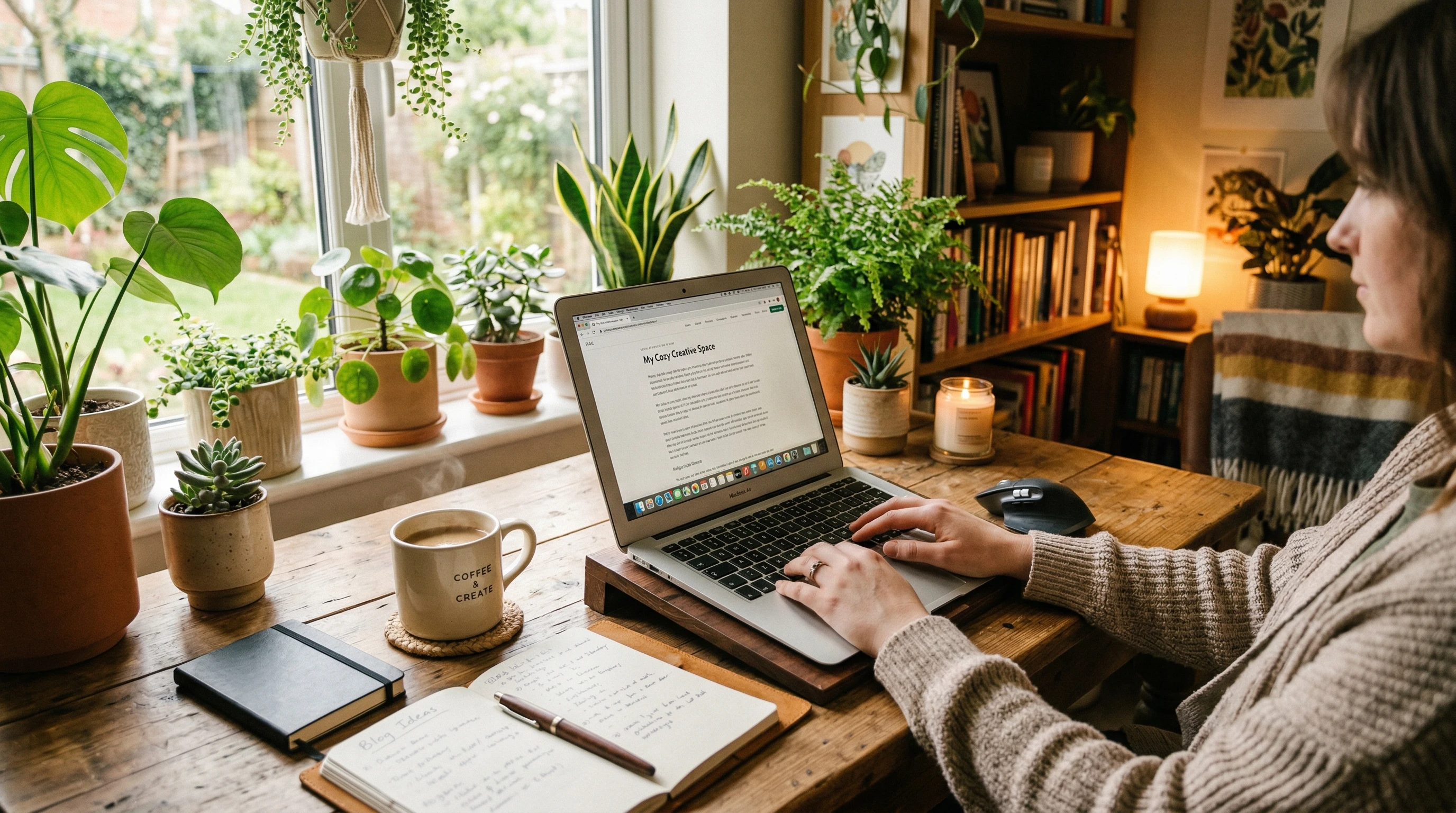
Understanding the Unique Time Challenges Senior Bloggers Face
A lot has changed since blogging first took off. So have the expectations and demands of running a blog, podcast, or even a YouTube channel as you get older. If you’re like me, you probably notice energy levels can swing from high to low across a week, or that your best “thinking time” now happens at different parts of the day. Working through new tech platforms, keeping up with social media trends, and handling personal responsibilities all compete for those precious hours.
Planning time around commitments, self care, and creative work takes more attention now than ever. I talk with many bloggers in their fifties, sixties, seventies, and beyond, who mention how interruptions, changing sleep patterns, or caretaking duties can throw a wrench in even the most carefully mapped plans. Reworking your approach to time management becomes key as a senior content creator. It’s about using your energy and focus wisely, not just tracking the clock.
Practical Time Management Strategies for 2026 and Beyond
Blogging successfully now often means rethinking old routines. Modern time management strategies in 2026 focus less on multitasking and more on mindful, value driven work. Here are proven approaches I’ve found super useful both for myself and from conversations with other senior bloggers:
- Set Clear, Flexible Priorities: Each week, I list 1–3 nonnegotiable tasks and keep the rest flexible. Some days, writing one thoughtful post beats rushing out three updates.
- Theme Your Days: Grouping similar activities (like “Content Mondays” or “Outreach Fridays”) makes it easier to get in the groove and reduces time lost switching between different kinds of work.
- Status Checkins: Spending a few minutes each morning to review progress and shuffle priorities gives me needed flexibility when life surprises me.
- Use Boundaries: I set clear start and stop times for work. Even on days I’m feeling creative, sticking to set hours protects my energy and means I return eager, not exhausted.
Many fellow senior content creators are fans of voice to text software, bigger screens for comfort, and keyboard shortcuts as simple but effective time savers. The real goal is to save energy on little hassles and keep creative work fun and fulfilling.
Best Time Management Tools for Bloggers in 2026
If you’re still working from a paper planner, you’re not alone! But the latest digital time management tools for bloggers can really smooth the way, especially when you want less stress and a more consistent workflow. Here are some of my favorite digital options that don’t require a steep learning curve:
- Trello and Asana: Visual boards and checklists make it easy to plan out content calendars, team up on projects, and keep deadlines straight at your own pace.
- Notion: A customizable workspace to keep all your post ideas, research, and drafts in one spot. I love building out templates for recurring weekly tasks.
- Google Calendar: Reliable, simple interface for color coding tasks, setting reminders, and scheduling focus sessions.
- Evernote: Handy for clipping web content, organizing ideas, and syncing notes across devices. It’s my go to for catching sudden inspiration when I’m not at my desk.
- Focus Booster: A straightforward Pomodoro timer app for managing work and breaks, so I always remember to stretch.
The best productivity tools for senior bloggers usually share some key features: easy navigation, clear layouts, and thoughtful accessibility options like bigger fonts or voice controls.

Effective Scheduling Techniques for Bloggers
Scheduling isn’t just about putting tasks onto a calendar. It needs to fit your life. Many senior bloggers find a hybrid approach (using both digital calendars and a paper planner) gives them a solid overview and improves memory.
- Batching: Doing similar tasks together, like writing multiple posts, editing all your photos, or handling emails in one session really saves time and makes each part of blogging easier to manage.
- Weekly Reviews: Once a week, I spend 30 minutes looking over my to do list and adjusting plans for the days ahead. This quick check helps reduce last-minute stress.
- Time Buffers: Flexibility is key, so I leave extra time between meetings or deadlines to handle unexpected things. My rule: always give myself more buffer than I think I’ll need.
Life changes week to week, and that’s totally okay. Building in leeway helps keep things manageable and your schedule more human-friendly.
Time Blocking Methods for Senior Bloggers
Time blocking is a simple way to organize your day for focus and rest. Here’s how I set up a typical blogging day:
- Morning Focus Block: Top writing or editing work for about 60–90 minutes right after breakfast when I’m most on the ball.
- Break and Reset: Short strolls, a fresh cup of coffee, and quick stretches every hour to avoid fatigue and stay sharp.
- Afternoon Connect: I spend this block on messages, replying to comments, or reviewing analytics. It’s less demanding and keeps me in touch.
- Evening Reflection: I finish with a checklist review and tidy up completed tasks, shifting anything unfinished to tomorrow.
If your energy comes alive in the afternoon, swap your blocks around; these methods are very adaptable. With AI powered scheduling now common in apps like Notion or Google Calendar, you can even let software suggest the best time blocks based on your own habits and history, freeing you up to focus more on what matters most.
How to Balance Blogging and Personal Life
Balance isn’t a one-off fix, it’s a constant effort as things in life change. Senior bloggers often juggle writing, research, and publishing with spending time with loved ones, handling appointments, and hobbies or travel. Here are some tips I’ve picked up:
- Set NoBlog Days: I schedule at least one full day with zero blog work. Stepping back helps me recharge and refuel my creativity.
- Communicate Boundaries: Make sure those around you know your preferred writing hours. Even a simple note can work wonders.
- Prioritize Health: Putting self care like doctor visits, walks, or stretches on the calendar alongside blogging tasks keeps me healthy and creative.
- Celebrate Small Wins: It’s easy to forget progress isn’t always measured in big numbers. Marking milestones, whether publishing a post or learning a new tool gives a real sense of achievement.
Output will vary from week to week, and that’s completely normal. For senior bloggers, focusing on quality and steady progress is far more important than chasing quantity or trends.
Common Hurdles (And Solutions) for Senior Content Creators
Everyone deals with slowdowns or burnout, but senior bloggers often see the same time traps pop up. Here’s what to watch for and how I’ve tackled them:
- Tech Overwhelm: New blogging platforms and features keep coming. Try one tool at a time, look for “cheat sheet” PDFs, and ask for help if you get stuck. There’s no rush to learn it all at once.
- Decision Fatigue: Picking what to write or work on can wear you out. Maintain a simple “next up” list and reserve big-picture planning for one day a month to save your mental energy.
- Physical Fatigue: Stiffness and eyestrain are common. An ergonomic chair, standing desk, and regular movement make a difference. Voice dictation options on computers or smartphones can also lighten the load.
Most issues can be solved with a few small tweaks. Don’t hesitate to check in with younger relatives, online forums, or fellow bloggers when you hit a snag.
Advanced Time Management Tips for Senior Bloggers
After you’ve locked in your basic routine, adding a few next-level strategies will give a boost to both productivity and enjoyment:
Automate Routine Tasks: Set up automation features to share new posts across your social media, use saved email responses, and schedule newsletters. This keeps things flowing with less manual effort and leaves more time for the creative parts you love.
Monthly Deep Work Sessions: I keep one day each month as a deep thought session, no distractions, just brainstorming or tackling big projects. This helps keep your blog fresh and dynamic.
Digital Declutter: Every three months, I archive or delete old notes, unsubscribe from unused lists, and give my digital space a tune-up. Working in a tidy environment really eases stress.
Time Management FAQs for Senior Bloggers
Over the years, fellow senior bloggers have asked some excellent questions about running a blog with smarter time use:
How can I keep my blog going when my energy shifts week to week?
Making and scheduling a backlog of evergreen articles helps cover periods when you need more downtime. Batching posts gives you wiggle room.
Which tools and apps are easiest for senior bloggers?
Pick tools with desktop versions, simple layouts, and solid support (like Notion, Google Calendar, or Trello). Many offer gentle onboarding to help you get started.
How can I steer clear of burnout?
Set offline hours, mute notifications, and give yourself regular blogging breaks to reset your motivation and creativity.
What helps spark new blog ideas when I’m feeling stuck?
Keep a running idea list in your phone or planner, and jot ideas from walks, books, or chats. Being ready to catch inspiration on the go makes generating new topics a lot less stressful.
Choosing the Right Workflow for Your Stage of Life
Finding your rhythm as a senior blogger takes trial and error as your needs and goals evolve. Your ideal plan or system might not look the way it did years ago, maybe you need more rest, prefer slower-paced mornings, or have new obligations. Test different ideas, try out a new tool, or even turn down added commitments as needed. The best workflow is the one you can stick with while enjoying the process.
If you’d like fresh ideas or a sounding board, there are amazing communities and online groups where senior bloggers share wisdom, swap tips, and boost each other up. These networks can make a huge difference in both motivation and know-how.
With a little experimenting and the right tools, managing your blogging time as a senior is completely doable. Keep improving what works for you, stay curious, connect with others, and don’t forget to look back and celebrate how far you’ve come in your creative adventure!






Gemini said
As a daughter of a veteran, I’ve been raised on the values of discipline, structure, and “hurry up and wait.” Your post on time management for senior bloggers really resonated with me—not just as a writer, but as someone who watched my dad manage a household with military precision.
That’s a powerful perspective, and I really appreciate you sharing it.
There’s something timeless about those values, discipline, structure, and even that classic “hurry up and wait” mindset. They teach patience, resilience, and how to stay ready even in the quiet moments. It makes total sense that growing up in that kind of environment would shape how you approach both life and writing.
I’m especially glad the post resonated with you on a deeper level. Time management isn’t just about productivity, it’s about creating a rhythm that works for you, and it sounds like you’ve already had a strong foundation in that from what you observed at home.
And honestly, that blend of structure and lived experience? That’s something readers can feel. It brings a level of authenticity that no checklist or system alone can replicate.